Tag: cbg

  • The New First Wonder: A Technical & Biological Relaunch

    The human biological system is a masterpiece of complexity. For the last seven years, we have dedicated ourselves to understanding its nuances, auditing our molecular supply chains, and refining the interface through which you access our science. Today, we reintroduce First Wonder.

    When First Wonder was founded, it was born from a singular obsession: precision. We believed that recovery deserved better than the “generalized” solutions flooding the market. We wanted to build a bridge between high-end science and daily reality, bringing molecular-grade support to those who demand the most from their bodies and minds.

    “The science of recovery is not about doing more; it is about doing better. Our new platform is built to reflect that exact precision.”

    7 Years of Wonder

    • 2019
      The Inception

      One laboratory in Burlington. One mission: To master the molecule of sleep and restoration.
    • 2021
      12,000 Systems

      Over twelve thousand individual recovery protocols delivered to customers across Canada.
    • 2023
      100% Nano-Emulsion

      The complete transition to nano-emulsified carriers, ensuring maximum bioavailability for every selection.
    • 2025
      The Digital Audit

      A total technical overhaul. Moving to a headless infrastructure for unparalleled speed and security.
    • Today
      The Relaunch

      Seven years of data and refinement condensed into a single, high-performance experience. Welcome home.

    New Formulations

    As part of this relaunch, we are incredibly excited to unveil the results of our latest molecular auditing process. We don’t launch new products often because we believe in mastery over variety. These two new formulations represent the peak of our current recovery catalogue.

    Selection 1
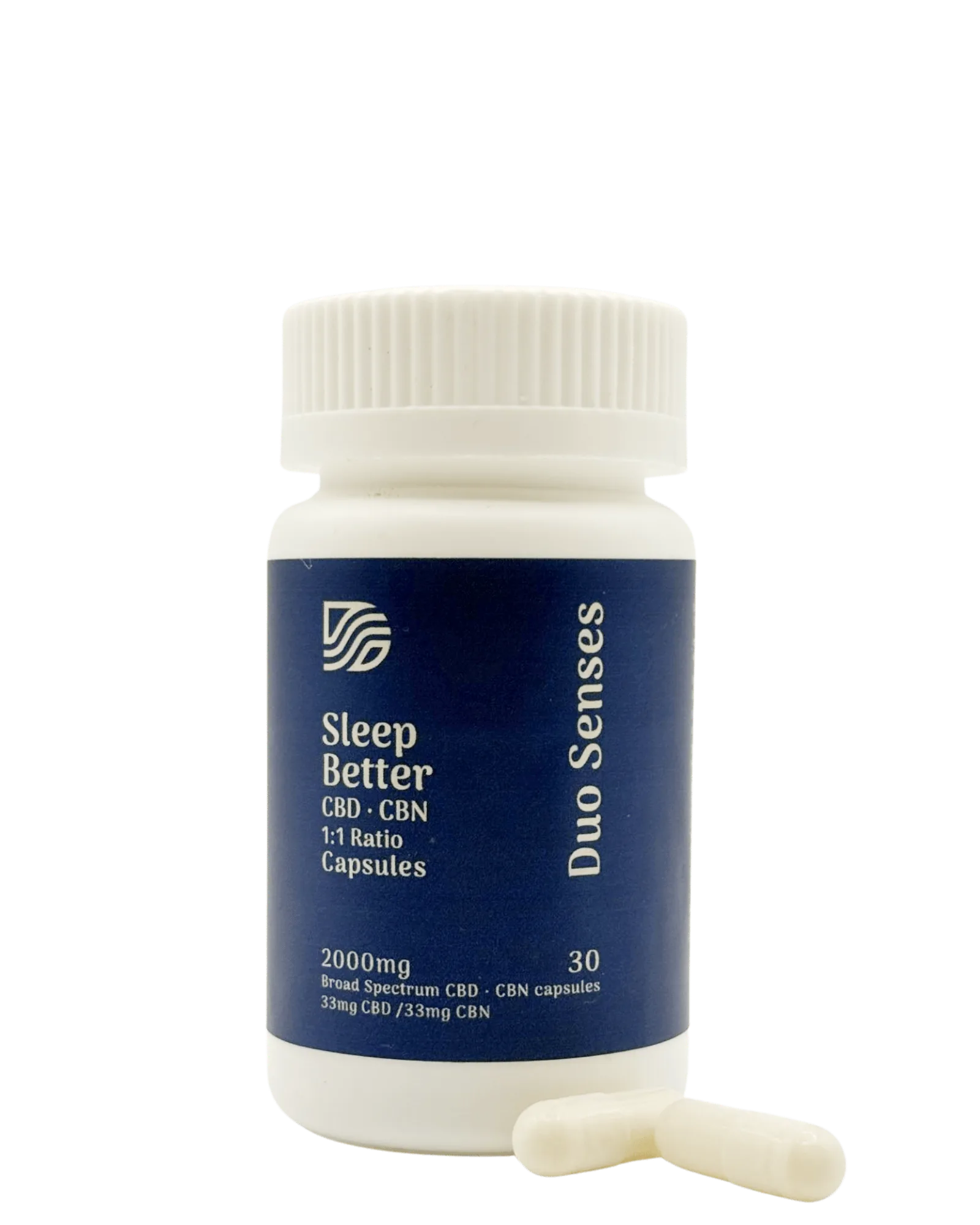
    SLEEP BETTER Capsules

    SLEEP BETTER

    Capsules
    $65
    MILLIGRAMS
    2000mg
    CANNABINOID(S)
    CBD / CBN
    TOTAL CBD
    1000mg
    TOTAL CBN
    1000mg
    DERIVED FROM
    Hemp
    CARRIER
    MCT Powder
    SIZE
    30 Capsules
    APPLICATION
    Swallow
    BRAND
    DuoSenses
    THC
    < .01%

    Selection 2
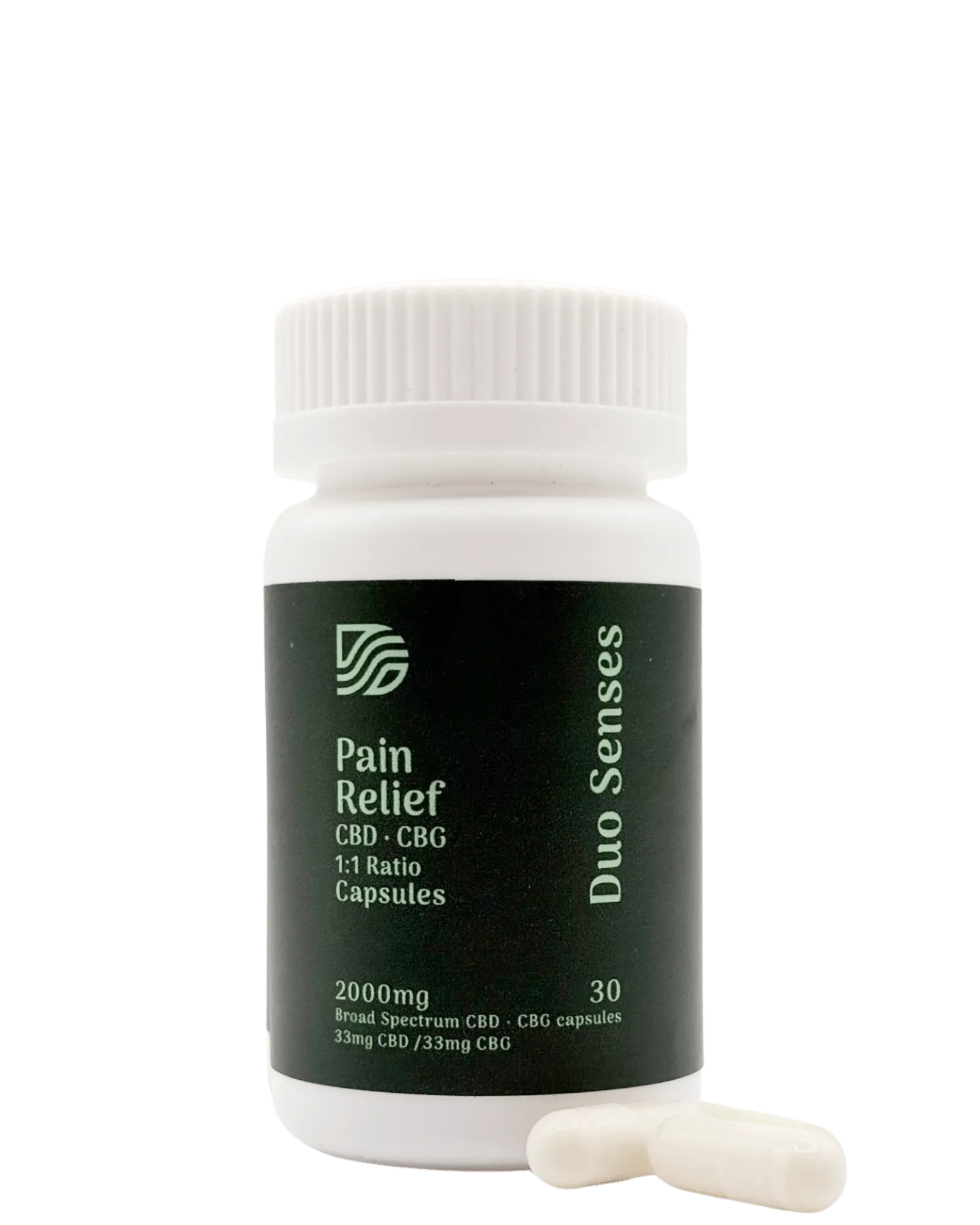
    PAIN RELIEF Capsules

    PAIN RELIEF

    Capsules
    $66
    MILLIGRAMS
    2000mg
    CANNABINOID(S)
    CBD / CBG
    TOTAL CBD
    1000mg
    TOTAL CBG
    1000mg
    DERIVED FROM
    Hemp
    CARRIER
    MCT Powder
    SIZE
    30 Capsules
    APPLICATION
    Swallow
    BRAND
    DuoSenses
    THC
    < .01%

    A Journey of Thousands

    Over the past seven years, we have been humbled to witness the impact of our products on thousands of individuals. We have seen elite athletes find their edge, chronic insomniacs find their rest, and recovery cycles shortened by days. Your stories have been the catalyst for this next phase.

    Technical Standards

    This relaunch is more than just a fresh coat of paint—it is a complete technical and philosophical overhaul. By moving to a Headless Architecture, we ensure that the site is now as clean and efficient as the formulations it carries.

    The Roadmap to Mastery

    We are grateful for your continued trust in First Wonder. The relaunch is not an ending, but a new baseline for what we can achieve together. We aren’t just building a store; we are building a protocol for life. Welcome to the future of rest.

  • CBD or CBG for Anxiety?

    CBD or CBG for Anxiety?

    Introduction to Cannabinoids and Anxiety

    Anxiety is a natural response of the human body to stressors, acting as an alarm system that prepares us to face potential threats. It becomes a disorder when these feelings are disproportionate to the triggers and start affecting daily life. With an estimated 284 million people affected globally, anxiety disorders are the most prevalent mental health conditions and can manifest as generalized anxiety disorder (GAD), panic disorder, social anxiety disorder, and several other forms. The complexities of modern-day living have only intensified the pervasiveness of anxiety, making it essential for individuals to find effective treatments.

    Traditionally, anxiety was managed using pharmaceuticals like benzodiazepines, SSRIs, or therapy. However, these methods either come with side effects or require a long-term commitment, or both. This has led many to seek alternative, natural remedies.

    Enter cannabinoids – the compounds found in the cannabis plant. Of over a hundred cannabinoids, THC (tetrahydrocannabinol) and CBD (cannabidiol) are the most renowned. While THC is the primary psychoactive component responsible for the “high” sensation, CBD has gained tremendous popularity due to its therapeutic benefits without the intoxicating effects. More recently, another cannabinoid – CBG or cannabigerol – has entered the limelight for its promising health benefits.

    For context, cannabinoids work by interacting with our body’s endocannabinoid system (ECS), a complex cell-signaling system involved in maintaining homeostasis. This system, through its receptors CB1 and CB2, plays a crucial role in various physiological processes, including mood regulation, pain sensation, and immune response. When cannabinoids bind to these receptors, they can induce various effects in the body. The efficacy of these interactions has made cannabinoids a focal point in natural wellness discussions, particularly concerning anxiety relief.

    Cannabis and Society

    The relationship between humans and cannabis is an ancient one. Historically, different cultures utilized the cannabis plant for its medicinal and recreational properties. It’s fascinating to note that ancient Chinese texts and Egyptian papyrus scripts mention the use of cannabis to alleviate anxiety and other ailments. However, for much of the 20th century, cannabis faced criminalization in many parts of the world, stigmatizing its use and stifling scientific research.

    Fast forward to today, the recent wave of decriminalization and legalization, especially in countries like Canada, has revolutionized the way we perceive cannabis. FirstWonder, like many other pioneers in the industry, is part of this contemporary narrative, offering a plethora of quality products to customers.

    As the legal landscape changed, so did the scientific community’s interest in the plant. More funds and efforts have been directed towards understanding the myriad of compounds within cannabis and their potential benefits. This renewed interest paved the way for the discovery and popularity of CBD, and now, CBG.

    However, the sudden surge in popularity also birthed countless myths, misconceptions, and misinformation about cannabinoids. A frequent confusion surrounds CBD and CBG’s effectiveness in anxiety relief. Which one is more effective? Are there significant differences between the two? This article delves deep into these questions, providing clarity and insight.

    Before we venture into a detailed examination of CBD and CBG’s potential benefits concerning anxiety, it’s crucial to emphasize a foundational truth: Everyone’s body is different. What works wonders for one person might not have the same effect on another. Therefore, it’s always advisable to consult a healthcare professional when considering any new treatment.

    Understanding CBD for Anxiety

    Cannabidiol, better known as CBD, has seen a meteoric rise in its popularity over the last decade. As one of the primary cannabinoids found in cannabis plants, especially the hemp variety, it holds a significant position in the world of health and wellness. But what sets CBD apart, especially in the context of anxiety?

    Origins and Extraction

    CBD is naturally occurring in the cannabis plant. While both hemp and marijuana belong to the cannabis species, hemp-derived CBD is the focus in medical and wellness circles because it can offer potential therapeutic benefits without the “high” commonly associated with marijuana. This distinction stems from the differing THC content; hemp contains less than 0.3% THC by law, making it non-intoxicating.

    The extraction of CBD from hemp often employs methods like CO2 extraction, ethanol extraction, or oil infusion. These processes ensure the preservation of the cannabinoid in its purest form, excluding any harmful solvents or additives.

    The Endocannabinoid System and CBD

    One of the essential discussions around CBD is its interaction with the endocannabinoid system (ECS). Found in all mammals, the ECS plays a crucial role in maintaining homeostasis in the body. It oversees a range of physiological processes including mood, appetite, pain sensation, and, crucially for our discussion, stress responses.

    CBD does not bind directly to ECS receptors (CB1 and CB2) in the same way THC does. Instead, CBD influences the system indirectly, often described as a modulator. This modulation helps increase the body’s natural endocannabinoids’ availability, which can in turn possibly assist in regulating mood and anxiety.

    CBD’s Potential Benefits for Anxiety

    Numerous studies and anecdotal evidence suggest CBD’s potential in addressing various forms of anxiety. From generalized anxiety disorder (GAD) and social anxiety to post-traumatic stress disorder (PTSD) and obsessive-compulsive disorder (OCD), there’s growing interest in how CBD might aid in alleviating symptoms.

    For instance, a 2019 study found that CBD could reduce short-term anxiety in rats, while another research from 2011 highlighted its potential in diminishing social anxiety during public speaking tasks.

    Safety and Dosage

    CBD is generally well-tolerated by most individuals. However, like any substance, it’s essential to start with a low dose and gradually increase until the desired effect is achieved. Dosage varies from person to person, depending on factors like weight, metabolism, and the severity of symptoms.

    The World Health Organization has indicated that CBD is “generally well tolerated with a good safety profile.” Nevertheless, some people might experience side effects like dry mouth, dizziness, or changes in appetite. It’s crucial to consult with a healthcare professional, especially when considering CBD alongside other medications.

    Full-Spectrum, Broad-Spectrum, and Isolates

    When diving into the world of CBD, it’s also essential to understand the differences between the various types available.

    • Full-Spectrum CBD contains all the phytochemicals naturally found in the plant, including CBD, trace cannabinoids, terpenes, and essential oils. It can contain up to 0.3% THC.
    • Broad-Spectrum CBD is similar to full-spectrum but undergoes a process to remove all THC.
    • CBD Isolate is the purest form of CBD, isolated from all other compounds in the cannabis plant.

    The choice between them often boils down to personal preference and individual needs. Some believe in the “entourage effect,” where the combined effect of different cannabinoids and terpenes enhances the overall therapeutic impact.

    Diving Deep into CBG for Anxiety

    Cannabigerol, or CBG, is one of the lesser-known cannabinoids in the cannabis plant, often referred to as the “mother” or “stem cell” cannabinoid. While it might not have gained the spotlight as much as CBD or THC, recent research suggests that CBG holds its own unique potential, especially in the realm of mental health and anxiety.

    The Foundation: CBG’s Role in Cannabis

    To understand CBG’s significance, it’s crucial to recognize its role in the cannabis plant’s life cycle. CBG is the precursor from which other cannabinoids form. As the cannabis plant matures, the enzymes in the plant break down CBGA (the acidic form of CBG), and it is directed toward the plant’s primary cannabinoids, namely THC and CBD. This is why most cannabis plants contain minimal amounts of CBG, typically less than 1%.

    However, breeders are now focusing on genetic manipulation and cross-breeding to produce plants that yield higher CBG contents, given the cannabinoid’s potential therapeutic benefits.

    CBG and the Endocannabinoid System

    Much like CBD, CBG interacts with the endocannabinoid system, but it does so in slightly different ways. While CBD indirectly influences the ECS, CBG directly binds to both CB1 and CB2 receptors. This dual action mechanism could mean that CBG might offer more potent physiological effects in some areas.

    CBG for Anxiety and Mental Health

    Emerging research points toward the potential benefits of CBG for anxiety and depression. For instance, a study conducted on rats found that CBG might have antidepressant-like effects. Another research suggests CBG’s potential as an anxiolytic, helping reduce anxiety in certain situations.

    How CBG Differs from CBD in Addressing Anxiety

    1. Mode of Action: As previously mentioned, while both cannabinoids interact with the ECS, their modes of action differ. CBG’s direct binding with CB1 and CB2 receptors could influence neurotransmitter release in a way that reduces anxiety and lifts mood.
    2. Neurogenesis: Preliminary studies suggest that CBG might promote neurogenesis, the process by which new neurons form in the brain. Neurogenesis, especially in the hippocampus (a region associated with memory and emotions), can play a pivotal role in combating anxiety and depression.
    3. Serotonin Receptors: Some evidence points to CBG influencing alpha-2 adrenergic and 5-HT1A (serotonin) receptors. These receptors play vital roles in mood regulation, suggesting another avenue through which CBG might exert its anti-anxiety effects.

    Potential Side Effects and Considerations

    As with any cannabinoid, it’s essential to approach CBG with a sense of informed caution. While generally considered safe, some individuals might experience side effects, though they’re typically rare and mild. They can include dry mouth, mild dizziness, or changes in appetite. Always start with a lower dose and adjust according to your body’s responses.

    The Future of CBG Research

    It’s worth noting that while the early research on CBG is promising, the cannabinoid hasn’t been as extensively studied as CBD. As more research unfolds, the scientific community will gain a clearer picture of CBG’s potential therapeutic applications, especially concerning anxiety and other mental health conditions.

    Comparing CBD and CBG for Anxiety Relief

    With the growing interest in plant-based wellness, the spotlight on cannabinoids, specifically CBD and CBG, is intensifying. Both cannabinoids offer potential benefits for mental health, but which one is more effective for anxiety relief? Let’s break down the nuances and draw some comparisons.

    Efficacy: Which Works Better for Anxiety?

    1. CBD (Cannabidiol):
      • Research-backed efficacy: Multiple studies have shown CBD’s potential in reducing anxiety. For instance, a 2019 study highlighted CBD’s potential in decreasing anxiety levels in both animal and human subjects.
      • Broad-spectrum effects: CBD offers a range of benefits beyond anxiety relief, including anti-inflammatory properties and potential neuroprotective effects. Its interaction with the ECS can influence several physiological processes, enhancing overall well-being.
    2. CBG (Cannabigerol):
      • Emerging data: Preliminary research suggests that CBG can have anxiolytic effects. However, the body of evidence isn’t as robust as CBD.
      • Direct receptor interaction: CBG’s ability to directly bind to CB1 and CB2 receptors might suggest a more targeted mechanism of action for certain conditions, including anxiety.

    Side Effects: Safety Profiles

    1. CBD:
      • Generally well-tolerated, with side effects being rare. Common side effects might include drowsiness, diarrhea, or appetite changes. It’s also worth noting that CBD might interact with some medications.
    2. CBG:
      • CBG also has a favorable safety profile, with side effects similar to CBD, such as dry mouth or mild dizziness. As with CBD, always starting with a low dose and gradually increasing is the best approach.

    User Testimonials: Real-Life Experiences

    1. CBD:
      • Many users report a calm, balanced feeling after taking CBD, noting significant reductions in anxiety symptoms. Some have mentioned improved sleep quality, which indirectly benefits mood and anxiety management.
    2. CBG:
      • While user testimonials on CBG are fewer, those who’ve tried it often highlight its subtle, calming effects. Some users prefer CBG over CBD, stating it offers more focused relief for their anxiety symptoms.

    Recommendations Based on Different Anxiety Types or Symptoms

    1. Generalized Anxiety Disorder (GAD):
      • CBD: Given its broad-spectrum effects, CBD can be beneficial for those with GAD, providing overall relaxation and balance.
      • CBG: Might be effective for those seeking a direct, targeted approach to symptom relief.
    2. Social Anxiety:
      • CBD: Its calming effects can help ease the intense fear and apprehension associated with social interactions.
      • CBG: The direct receptor binding might help in situations requiring immediate relief, like before an event.
    3. Panic Attacks:
      • CBD: Can be effective in providing immediate relief during an episode due to its rapid calming effects.
      • CBG: Its direct action on receptors might offer quick relief, though more research is needed.

    Concluding Thoughts and Recommendations

    When deciding between CBD and CBG for anxiety relief, it’s essential to consider your specific symptoms, desired effects, and any other underlying health conditions. While CBD boasts a more extensive research background, CBG’s emerging evidence is promising, particularly its direct receptor interactions.

    It might also be worth considering products that combine both CBD and CBG, harnessing the potential synergistic effects of these cannabinoids. As with any wellness product, consultation with a healthcare professional, and prioritizing high-quality, third-party tested products will ensure the best outcomes.

    In the world of plant-based remedies, both CBD and CBG hold promise. The key lies in personal experimentation, education, and staying updated with the latest research to make informed decisions that best suit individual needs.
  • Complete CBD Glossary: Defining Every Term A-to-Z

    Complete CBD Glossary: Defining Every Term A-to-Z

    Whether you’re new to the world of CBD or a seasoned enthusiast looking to deepen your knowledge, this comprehensive CBD glossary is designed to demystify the terms, products, and science behind CBD. Dive in to discover, understand, and master the language of cannabinoids.

    A

    • Anandamide: An endocannabinoid, often dubbed the “bliss molecule.” It plays a pivotal role in regulating mood, appetite, and memory.
    • Administration Methods: Refers to the various ways cannabinoids can be introduced into the body, including oils (oral/sublingual), capsules, topicals, and more.
    • Absorption: The process by which cannabinoids enter the bloodstream, influenced by the method of administration.

    B

    • Broad Spectrum: Products that encompass a wide range of cannabinoids and terpenes, but without THC. Ideal for those wanting the benefits of the “entourage effect” without THC exposure.
    • Bioavailability: The proportion of a substance entering the circulation when introduced into the body, thus becoming available for active use. Factors like administration method can influence the bioavailability of cannabinoids.

    C

    • CBD (Cannabidiol): One of the most studied cannabinoids, derived from the hemp plant. Non-psychoactive and known for potential therapeutic benefits like anti-inflammatory and anti-anxiety properties.
    • CBG (Cannabigerol): A non-intoxicating cannabinoid. It’s often referred to as the “stem cell” of cannabinoids, as other cannabinoids like THC and CBD originate from it.
    • CBN (Cannabinol): A minor cannabinoid known for its potential relaxing and sedative effects.
    • Cannabis: A genus of flowering plants that includes both hemp (largely CBD-rich and low in THC) and marijuana (typically high in THC).
    • Capsules: A preferred method of cannabinoid intake for those desiring precise and consistent dosing. Capsules contain a predetermined amount of cannabinoid content.

    D

    • Decarboxylation: A process involving heat to activate cannabinoids in the cannabis plant, turning the acidic forms like CBDA into more active forms like CBD.
    • Dosage: The amount of CBD, CBG, or other cannabinoids taken at one time. Proper dosage can vary based on individual needs and product potency.

    E

    • Endocannabinoid System (ECS): A complex cell-signaling system in our bodies known to play roles in regulating a range of functions and processes. The ECS interacts with cannabinoids introduced into the body.
    • Entourage Effect: A theory suggesting that all the compounds in cannabis work together, enhancing the therapeutic effects of each component.
    • Extraction: The method used to isolate and remove cannabinoids (like CBD and THC) and other desired compounds from the cannabis plant.

    F

    • Full Spectrum: A type of CBD extract that contains all the naturally occurring compounds in the cannabis plant, including terpenes, essential oils, and other cannabinoids, such as CBG and CBN, and even THC.
    • Flavonoids: A group of phytonutrients responsible for the non-green colors in plants. They have a variety of health benefits and also play a role in the aroma and flavor profile of different cannabis strains.
    • Farm Bill: Refers to the US Agricultural Improvement Act of 2018 which federally legalized the production of hemp and removed it from the list of controlled substances, revolutionizing the CBD industry.

    G

    • Gummies: An edible form of CBD intake that provides a tasty and discreet way of consuming cannabinoids. They come in a variety of flavors, shapes, and potencies.
    • Greenhouse Growing: A popular method for cultivating cannabis. It offers a controlled environment that can maximize yield while minimizing environmental impact.

    H

    • Hemp: A variety of the Cannabis sativa plant species that is grown primarily for its industrial uses. Hemp has a low THC content, making it the primary source for CBD extraction.
    • Hemp Seed Oil: Oil extracted from the seeds of the hemp plant. It is rich in nutrients and fatty acids but does not contain CBD or other cannabinoids.

    I

    • Isolate: Refers to the purest form of a cannabinoid, where all other compounds have been completely removed. CBD isolate is 99% pure CBD, with no other active ingredients.
    • Indica: One of the primary cannabis strains known for its relaxing effects. It’s typically recommended for nighttime use.

    J

    • Joint: A cannabis cigarette. While joints can be purely marijuana, they can also be a mix of cannabis and other ingredients, like tobacco.
    • Juicing: A method of consuming raw cannabis. Juicing the raw cannabis plant offers a different set of benefits compared to consuming it once it’s been heated or aged.

    K

    • Kief: The resinous trichomes of cannabis that may accumulate in containers or be sifted from loose, dry cannabis with a mesh screen or sieve. Kief contains a higher concentration of psychoactive cannabinoids than other parts of the cannabis plant.
    • Kush: A family of cannabis strains that originally came from the Hindu Kush mountains. They are typically indica-dominant and are known for their potent effects.

    L

    • Liposome: A vesicle that is composed of one or more lipid bilayers. In CBD products, liposomes can be used to improve the bioavailability of the cannabinoids.
    • Legalization: The process of making cannabis and its derivatives (like CBD) legal for purchase, possession, and use. The terms and conditions can vary by country or state.

    M

    • Marijuana: A type of cannabis plant or its dried flowers. Unlike hemp, marijuana plants contain enough THC to produce intoxicating effects when consumed.
    • Microdosing: Consuming very low doses of cannabis products, typically well below what would produce psychoactive effects. This method is popular for users who want to experience the benefits of cannabis without feeling “high.”

    N

    • Nanotechnology: A field of research that involves manipulating individual atoms and molecules. In the CBD industry, nanotechnology can be used to improve the bioavailability of CBD in products.
    • Nug: Slang term for a dense piece of cannabis flower.

    O

    • Oils: Cannabis or hemp-derived products that come in oil form. They can be taken sublingually, ingested, or used topically, depending on the product.
    • Organic: Cannabis or hemp that is grown without the use of synthetic fertilizers, pesticides, or other artificial agents.
    • Oven: A tool often used in the process of decarboxylation, which involves heating cannabis to activate the THC or CBD content before it’s consumed.

    P

    • Phenotype: The physical and biochemical characteristics of an organism as determined by the interaction of its genetic constitution and the environment.
    • Phytocannabinoids: Cannabinoids that are naturally occurring in the cannabis plant, including CBD, THC, CBG, and more.
    • Potency: The concentration or strength of a substance, like CBD or THC, in a product.
    • Pre-roll: A pre-made cannabis cigarette, often sold in dispensaries or other outlets.

    Q

    • Quality Assurance (QA): A systematic process of determining whether products meet the required specifications and standards. In the CBD industry, QA can involve lab testing to ensure potency and purity.
    • Quartz: Often used in reference to a type of nail or banger used in dab rigs. Quartz heats up faster than other materials and offers a clean taste.

    R

    • Receptor: A protein molecule that receives chemical signals from outside a cell. In cannabis science, receptors in the endocannabinoid system interact with cannabinoids to produce various effects.
    • Rosin: A cannabis concentrate that is made by applying heat and pressure to cannabis flowers. It’s solvent-free and is prized for its purity and flavor.
    • Ruderalis: One of the primary species of cannabis plants, alongside Indica and Sativa. Unlike the others, Ruderalis is not known for its psychoactive properties but rather its ability to flower based on age rather than light cycle.

    S

    • Sativa: A primary species of the cannabis plant known for its energizing effects. Sativa strains are typically taller and have thinner leaves compared to their Indica counterparts.
    • Sublingual: Refers to a method of administering substances by placing them under the tongue. Many CBD oils are consumed this way for faster absorption.
    • Strain: A specific variety of a plant species. In the cannabis world, strains are bred for certain characteristics, such as flavor, potency, and effects.

    T

    • Terpenes: Aromatic compounds found in many plants, including cannabis. Terpenes are responsible for the distinct aromas of different cannabis strains and may influence their effects.
    • THC (Tetrahydrocannabinol): The main psychoactive compound in marijuana that gives the “high” sensation.
    • Tincture: An alcohol or oil-based solution that extracts compounds from plants, like CBD. Tinctures are typically taken sublingually or added to food and drinks.
    • Topicals: Products like creams, lotions, and balms infused with CBD or other cannabinoids. They’re applied directly to the skin for localized relief.

    U

    • Undercut: Refers to the practice of selling a product at a lower price than a competitor. In the CBD market, undercutting can happen when new brands try to establish themselves.
    • Uptake: The absorption and assimilation of a substance by the body. In the context of cannabinoids, it often refers to how efficiently compounds like CBD are absorbed into the bloodstream.

    V

    • Vape/Vaporize: A method of consumption where cannabis or hemp-derived products are heated to a point where they turn into vapor, which is then inhaled. Vaporization is seen as a healthier alternative to smoking.
    • Vascular System: In botanical terms, it refers to the system of tubes and vessels in a plant that transport water and nutrients. In cannabis, the vascular system plays a role in transporting the plant’s essential oils.
    • Vegetative Stage: The phase in a cannabis plant’s life cycle where it grows and matures but does not produce flowers.

    W

    • Wax: A type of cannabis concentrate that has a consistency similar to earwax or honey. High in cannabinoids and terpenes.
    • Whole Plant Extract: Refers to CBD or cannabinoid products that are derived from the entire cannabis plant, including flower, leaves, and stems, ensuring a full spectrum of cannabinoids, terpenes, and other beneficial compounds.

    X

    • Xerophyte: A plant adapted to survive in an environment with little liquid water, such as a desert. Cannabis is not a true xerophyte but can be cultivated to withstand dryer conditions.

    Y

    • Yield: Refers to the amount of product (typically flower or oil) produced per cannabis plant or per cultivation cycle. It’s a key metric for growers and manufacturers.

    Z

    • Zero-THC: Refers to CBD products that are processed to remove all traces of THC. This is often sought after by consumers who want the benefits of CBD without any potential psychoactive effects.

    Thank you for journeying through our comprehensive CBD glossary. We hope this A-to-Z guide has illuminated the many facets of the CBD world for you. Whether you’re making an informed purchase or simply quenching your thirst for knowledge, having these definitions at your fingertips is invaluable. Remember, the world of cannabinoids is vast and ever-evolving. Stay curious, and don’t hesitate to revisit this glossary whenever you need clarity. Happy exploring!

  • Comparing Best Selling OCS.ca Topical to First Wonder’s Option

    Comparing Best Selling OCS.ca Topical to First Wonder’s Option

    Unpacking the differences between the Nourishing CBD and CBG Body Cream by Duo Senses and the Full Spectrum Relief Cream by Proofly.

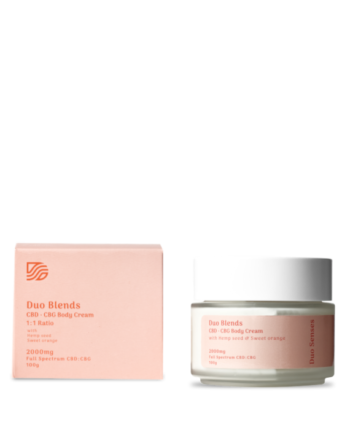
    When it comes to choosing the right topical products, let’s compare cbd topicals to help make your decision-making process much easier. Today, we’re comparing two top-selling creams: the Nourishing 2,000mg CBD and CBG Sweet Orange Body Cream by Duo Senses available on First Wonder and the Full Spectrum CBG + CBD + THC Relief Cream by Proofly sold on OCS.ca.

    The Full Spectrum Relief Cream by Proofly retails at $54 on OCS.ca and offers a balanced blend of 250mg CBD and 250mg CBG. With a menthol aroma, it provides a cooling sensation that some users might appreciate. However, it does contain THC, which may not suit everyone.

    In contrast, the Nourishing CBD and CBG Body Cream by Duo Senses, available for $46 on First Wonder, offers an impressive potency of 1000mg CBD and 1000mg CBG, with a 1:1 ratio. This THC-free option is not only stronger but also boasts a pleasant sweet orange aroma for a delightful sensory experience.

    Here’s a quick comparison:

    FeaturesDuo Senses Body Cream (First Wonder)Full Spectrum Relief Cream (OCS.ca)
    Cannabinoids included1000mg CBD + 1000mg CBG250mg CBD + 250mg CBG
    THC contentNo THCContains trace THC
    AromaSweet OrangeMenthol
    Price$46$54
    Strength (mg)2000mg500mg
    CBD:CBG Ratio1:11:1
    Value (price per mg)$0.0225$0.108
    Extra BenefitsNourishing, HydratingSoften skin
    Aroma AppealRefreshing citrus scentCooling menthol sensation
    Weight/Volume100g100g

    Choosing First Wonder’s Duo Senses Nourishing Body Cream means opting for a high-potency, THC-free product that also offers a pleasing scent. While OCS.ca’s Full Spectrum Relief Cream might appeal to some, the superior strength and value of the Duo Senses cream make it a clear winner.

    Why compromise when you can have the best? Shop now at First Wonder and experience the Duo Senses difference today.

  • The Benefits of CBD and CBG Tinctures: A Comprehensive Guide

    The Benefits of CBD and CBG Tinctures: A Comprehensive Guide

    Introduction

    Cannabidiol (CBD) and cannabigerol (CBG) are two non-psychoactive compounds found in cannabis plants that have gained popularity for their potential health benefits. Both compounds interact with the body’s endocannabinoid system and can offer a range of therapeutic effects. In this comprehensive guide, we’ll explore the benefits of CBD and CBG tinctures and how they can improve your overall well-being.

    What are CBD and CBG Tinctures?

    CBD and CBG tinctures are liquid extracts made from cannabis plants, containing a high concentration of these beneficial cannabinoids. The tinctures are typically made by infusing CBD or CBG into a carrier oil, such as MCT oil, hemp seed oil, or olive oil. Tinctures are administered sublingually (under the tongue) for quick absorption into the bloodstream. To learn more about using CBD oil sublingually, check out our guide on how to use CBD oil under the tongue.

    CBD Tinctures

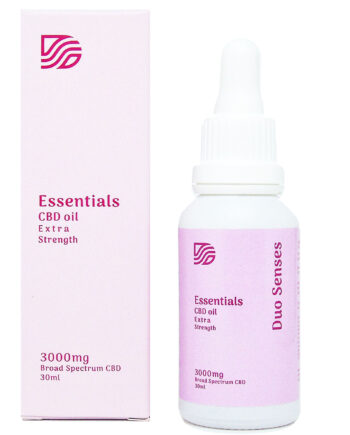
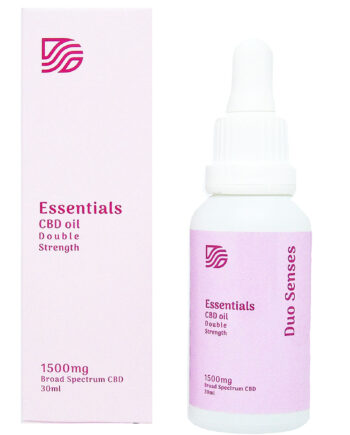
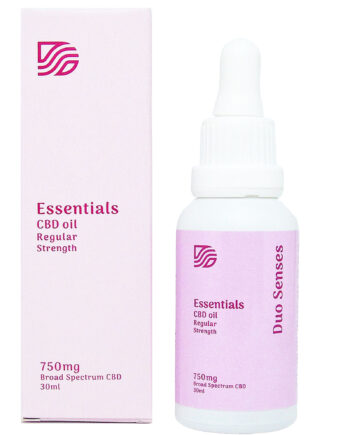
    CBD tinctures can provide numerous health benefits, such as reducing inflammation, alleviating anxiety, and improving sleep quality. You can find a wide range of CBD tinctures at First Wonder, including products from top brands like Calyx Wellness and Duo Senses.

    CBG Tinctures

    CBG tinctures, although less common than CBD tinctures, are gaining popularity for their unique benefits. CBG is known to have antibacterial, anti-inflammatory, and neuroprotective properties. To learn more about the differences between CBD and CBG, visit our comparison guide.

    Benefits of CBD Tinctures

    1. Pain Relief: CBD has been shown to have analgesic properties, making it a natural alternative for relieving pain. Our CBD topicals and pain relief CBD roll-on are great options for targeting specific areas of pain.
    2. Reduced Anxiety and Stress: CBD interacts with serotonin receptors in the brain, which can help regulate mood and reduce anxiety. Our CBD Anxiety Roll-On offers a convenient way to apply CBD for anxiety relief on-the-go.
    3. Improved Sleep: CBD can help regulate the sleep-wake cycle and promote relaxation, making it a natural alternative to sleep aids like Ambien. Check out our comparison of CBD and Ambien for sleep to learn more.
    4. Anti-Inflammatory: CBD’s anti-inflammatory properties can help reduce inflammation and alleviate symptoms of various chronic conditions, such as arthritis and inflammatory bowel disease.

    Benefits of CBG Tinctures

    1. Antibacterial: CBG has demonstrated potent antibacterial properties, making it a potential option for fighting bacterial infections.
    2. Neuroprotective: CBG can help protect nerve cells from damage and support healthy brain function, potentially benefiting individuals with neurodegenerative diseases like Alzheimer’s and Parkinson’s.
    3. Anti-Inflammatory: Like CBD, CBG also possesses anti-inflammatory properties, which can be beneficial for individuals suffering from conditions like inflammatory bowel disease, arthritis, and autoimmune disorders.
    4. Eye Health: CBG has been found to be effective in reducing intraocular pressure, making it a potential alternative for individuals with glaucoma.
    5. Mood Stabilizer: CBG may also help stabilize mood and alleviate symptoms of depression and anxiety, similar to the effects of CBD.

    How to Use CBD and CBG Tinctures

    To use a CBD or CBG tincture, simply place the recommended dosage under your tongue using the dropper provided. Hold the liquid there for approximately 60 seconds before swallowing to allow for maximum absorption. You can also add the tincture to food or beverages, although this method may result in slower absorption.

    Comparing the Side Effects of CBD and CBG Tinctures

    While CBD and CBG tinctures are generally considered safe and well-tolerated, it’s essential to be aware of potential side effects, particularly when comparing them to other medications or supplements.

    CBD Tincture Side Effects:

    Some common side effects associated with CBD use may include:

    • Dry mouth
    • Drowsiness
    • Dizziness
    • Changes in appetite or weight
    • Diarrhea

    However, these side effects are typically mild and often diminish as your body becomes accustomed to the CBD.

    CBG Tincture Side Effects:

    CBG tinctures have not been studied as extensively as CBD, but early research suggests that the side effects are minimal and may include:

    • Dizziness
    • Mild sedation

    It’s crucial to start with a low dose and gradually increase it to determine the most effective and well-tolerated dosage for your needs.

    CBD and CBG Tinctures for Specific Needs

    With the various potential benefits of CBD and CBG tinctures, you may wonder which one is best for your particular needs. Here, we discuss some specific conditions and how CBD and CBG tinctures may help.

    Sleep and Relaxation:

    If you’re looking to improve sleep quality or promote relaxation, CBD may be the better choice. CBD has been shown to help regulate the sleep-wake cycle and reduce anxiety, making it ideal for those struggling with insomnia or stress-related sleep disturbances.

    Pain and Inflammation:

    Both CBD and CBG tinctures can help alleviate pain and inflammation. CBD has been widely studied for its analgesic and anti-inflammatory properties, while CBG is gaining popularity for its potential to address hard-to-treat pain conditions. Depending on the severity of your pain or inflammation, you may benefit from using a CBD and CBG combination product to maximize their synergistic effects.

    Neuroprotection and Brain Health:

    For individuals interested in supporting brain health or addressing neurodegenerative conditions, CBG may hold more promise due to its potential neuroprotective properties. However, CBD has also been shown to have neuroprotective effects, so a combination of both cannabinoids may be beneficial.

    Mood and Anxiety:

    Both CBD and CBG tinctures can help with mood stabilization and anxiety relief. CBD has been more widely studied for its anxiolytic effects, while CBG is still being explored for its potential benefits in this area. A CBD tincture may be the better choice if anxiety relief is your primary concern, but trying a combination product could also be beneficial.

    Summary

    In conclusion, CBD and CBG tinctures offer numerous potential health benefits, and choosing the right one depends on your specific needs and preferences. By understanding the differences between these two cannabinoids and considering the conditions you wish to address, you can make a more informed decision about which tincture is right for you.

  • The Laymen Guide to CBG vs. CBD

    The Laymen Guide to CBG vs. CBD

    If you’re a CBD enthusiast, you’re probably aware of the numerous benefits it has to offer. But have you heard about CBG, the lesser-known cousin of CBD? If not, buckle up, because we’re about to take you through a laymen guide to CBG vs CBD. I’m here to help you understand the differences between CBD and CBG, and why you should consider trying the Duo Senses CBD+CBG tinctures and topicals available in our shop.

    The Basics: What are CBD and CBG?

    Before diving into the nitty-gritty, let’s get some basics out of the way. CBD (cannabidiol) and CBG (cannabigerol) are both cannabinoids found in the cannabis plant. These chemical compounds interact with the body’s endocannabinoid system (ECS), which plays a crucial role in maintaining homeostasis – that’s just a fancy word for balance. You can learn more about cannabinoids in our resources section.

    CBD has been making waves for a while now, and for good reason. It’s known for its therapeutic properties, helping with issues like pain, inflammation, anxiety, and sleep. CBD is non-psychoactive, meaning it won’t get you high. You can explore more about CBD in our guide.

    CBG: The Newcomer on the Block

    CBG, on the other hand, is a lesser-known cannabinoid that’s gaining popularity for its unique properties. Like CBD, CBG is non-psychoactive and offers a range of potential benefits. Check out our article on CBG to learn more.

    The Differences: CBD vs CBG

    Now that we know what CBD and CBG are, let’s dive into their differences:

    1. Availability in the Plant

    One of the main differences between CBD and CBG is their concentration in the cannabis plant. CBD is typically more abundant, while CBG is present in smaller quantities. CBG is considered the “parent” or “stem cell” cannabinoid, as it is the precursor to other cannabinoids, including CBD and THC.

    2. Effects on the Body

    While both CBD and CBG interact with the endocannabinoid system, they do so in slightly different ways. CBD primarily binds to the CB1 and CB2 receptors indirectly, while CBG has a more direct interaction with these receptors. This difference in interaction can result in unique effects on the body.

    3. Potential Benefits

    Both CBD and CBG have potential therapeutic benefits, but they may excel in different areas:

    • CBD is well-known for its potential to alleviate anxiety, pain, inflammation, and improve sleep. You can find more information on how CBD can help with these issues in our guide.
    • CBG, while sharing some properties with CBD, is being studied for its potential to support brain health, digestion, and skin health. It’s also being researched for possible antibacterial and antifungal properties.

    4. Products and Forms

    CBD is available in a wide range of products, from tinctures and capsules to topicals and bath bombs. You can find all these products in our shop.

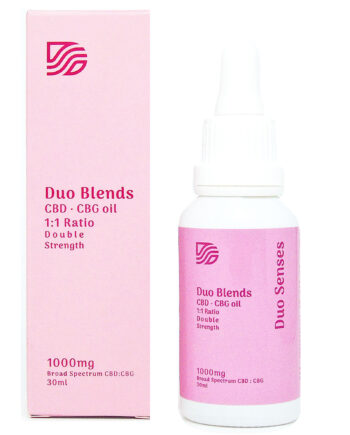
    CBG, being relatively new to the market, is available in fewer products. However, it’s becoming increasingly popular in combination with CBD, as found in our Duo Senses CBD+CBG tinctures and topicals. The combination of CBD and CBG is believed to create an “entourage effect,” which means that the cannabinoids work together to enhance each other’s benefits. You can explore these duo products in our shop.

    Why You Should Try Duo Senses CBD+CBG Products

    Now that we’ve established the differences between CBD and CBG, let’s dive into why you should consider trying the Duo Senses CBD+CBG tinctures and topicals from our shop.

    1. The Entourage Effect

    As mentioned earlier, combining CBD and CBG may result in an entourage effect. This means that the two cannabinoids can work together to provide a more potent and effective experience. So, if you’re already a fan of CBD, adding CBG to the mix with our Duo Senses CBD+CBG tinctures could take your wellness journey to the next level.

    2. A Broader Range of Benefits

    While CBD is known for its potential to help with anxiety, pain, inflammation, and sleep, adding CBG to the equation can expand the range of potential benefits. CBG is being studied for its possible effects on brain health, digestion, and skin health, as well as its potential antibacterial and antifungal properties. This means that the Duo Senses CBD+CBG topicals can offer a more comprehensive wellness solution.

    3. Targeted Topicals

    Duo Senses CBD+CBG topicals are perfect for targeted relief, providing a localized effect on the area where they’re applied. This makes them ideal for addressing specific concerns, such as muscle soreness or skin issues.

    4. Easy-to-Use Tinctures

    The Duo Senses CBD+CBG tinctures offer a convenient way to incorporate both cannabinoids into your daily routine. Simply add a few drops under your tongue or mix them into your favorite beverage for a seamless wellness experience.

    5. Quality and Transparency

    At First Wonder, we’re committed to providing high-quality, transparent products. Our Duo Senses CBD+CBG tinctures and topicals are made using premium ingredients and are third-party lab tested for potency and purity. You can trust that you’re getting a safe and effective product.

    Wrapping Up

    CBD and CBG may be cousins, but they’re anything but identical. Both cannabinoids offer unique benefits, and when combined in our Duo Senses CBD+CBG tinctures and topicals, they can provide a more comprehensive wellness solution. If you’re a CBD enthusiast looking to explore the world of CBG, there’s no better time to give these duo products a try. Head over to our shop and discover the potential of CBD and CBG working together in perfect harmony.

  • Top 10 Uses for CBD+CBG Topicals: How They Can Benefit You

    Top 10 Uses for CBD+CBG Topicals: How They Can Benefit You

    Introduction

    CBD and CBG are two compounds that have gained a lot of attention in recent years due to their potential therapeutic benefits. While there are many different ways to use these compounds, topicals are one of the most popular options. In this article, we will explore the top 10 uses for CBD+CBG topicals and how they can benefit you.

    Pain Relief


    One of the most common uses of CBD+CBG topicals is for pain relief. These compounds have been shown to have anti-inflammatory properties that can help to reduce pain and inflammation in the body. CBD+CBG topicals can be applied directly to the affected area, providing targeted relief.

    Arthritis


    Arthritis is a condition that affects millions of people worldwide. It causes inflammation in the joints, which can be very painful. CBD+CBG topicals have been shown to be effective in reducing inflammation and pain associated with arthritis.

    Muscle Soreness


    Whether you’re an athlete or just someone who works out regularly, muscle soreness can be a real issue. CBD+CBG topicals can be applied directly to the sore muscles, providing relief and helping to speed up the recovery process.

    Skin Conditions


    CBD+CBG topicals can also be beneficial for a variety of skin conditions, such as eczema and psoriasis. These compounds have anti-inflammatory properties that can help to reduce inflammation and redness associated with these conditions.

    Acne


    Acne is a common skin condition that affects many people, particularly teenagers. CBD+CBG topicals can be beneficial for acne-prone skin as they can help to reduce inflammation and oil production, which are both factors that can contribute to acne.

    Sunburn


    If you’ve spent too much time in the sun and ended up with a painful sunburn, CBD+CBG topicals can provide relief. These compounds have anti-inflammatory properties that can help to reduce redness and pain associated with sunburn.

    Headaches


    CBD+CBG topicals can also be effective in reducing headaches. These compounds have been shown to have pain-relieving properties, which can help to alleviate the pain associated with headaches.

    Menstrual Cramps


    Many women experience painful menstrual cramps each month. CBD+CBG topicals can be applied directly to the lower abdomen to help reduce inflammation and pain associated with menstrual cramps.

    Sleep Aid


    CBD+CBG topicals can also be beneficial for those who have trouble sleeping. These compounds have been shown to have calming properties that can help to promote relaxation and improve sleep quality.

    Anxiety


    Finally, CBD+CBG topicals can be effective in reducing anxiety. These compounds have been shown to have anti-anxiety properties that can help to promote a sense of calm and relaxation.

    Conclusion

    In conclusion, CBD+CBG topicals have a wide range of potential uses and benefits. From pain relief and arthritis to skin conditions, headaches, and anxiety, these compounds have been shown to be effective in reducing inflammation, promoting relaxation, and improving overall health and well-being.

  • CBD Isolate vs Broad Spectrum vs CBD and CBG Tinctures: What’s the Difference

    CBD Isolate vs Broad Spectrum vs CBD and CBG Tinctures: What’s the Difference

    CBD tinctures are becoming increasingly popular for their therapeutic benefits, but not all tinctures are created equal. In fact, there are three distinct types of CBD tinctures: CBD isolate, broad spectrum, and CBD/CBG. In this article, we’ll explore the differences between these three types of tinctures, and help you choose the right one for your needs.

    CBD Isolate Tinctures

    CBD isolate tinctures are made from pure CBD extract, which is isolated from the hemp plant and then combined with a carrier oil, such as MCT oil. As the name suggests, CBD isolate tinctures contain only CBD and no other cannabinoids or terpenes. This means that they offer the benefits of CBD, but without the entourage effect that comes from consuming a full spectrum of cannabinoids and terpenes.

    CBD isolate tinctures are a good option for people who are sensitive to other cannabinoids, or who need to avoid THC for legal or personal reasons. They can also be a good choice for people who want to take higher doses of CBD, as it’s easier to measure the exact amount of CBD you’re consuming when you’re using an isolate.

    Broad Spectrum Tinctures

    Broad spectrum tinctures are similar to CBD isolate tinctures in that they’re made with a carrier oil and contain no THC. However, they’re different in that they contain a range of other cannabinoids and terpenes, in addition to CBD.

    The key difference between broad spectrum and full spectrum tinctures is that broad spectrum tinctures have had the THC removed, whereas full spectrum tinctures contain all the cannabinoids and terpenes found in the hemp plant, including THC.

    Broad spectrum tinctures offer the benefits of the entourage effect, without the risk of THC consumption. They’re a good choice for people who want to experience the full benefits of CBD and other cannabinoids, but who need to avoid THC for legal or personal reasons.

    CBD+CBG Tinctures

    CBD/CBG tinctures are a relatively new addition to the CBD market. CBG, or cannabigerol, is a cannabinoid that’s been shown to have a range of potential health benefits, including reducing inflammation and anxiety.

    CBD/CBG tinctures combine CBD and CBG in a single tincture, offering the benefits of both cannabinoids. Like broad spectrum tinctures, CBD/CBG tinctures contain no THC, making them a good choice for people who need to avoid THC for legal or personal reasons.

    CBD/CBG tinctures are a good option for people who want to experience the full benefits of both CBD and CBG, and who don’t want to consume THC. However, it’s worth noting that CBG is a less-studied cannabinoid than CBD, so the benefits of CBD/CBG tinctures are still being explored.

    Which Type of Tincture Is Right for You?

    When choosing a CBD tincture, it’s important to consider your individual needs and preferences. If you’re sensitive to other cannabinoids, or need to avoid THC, a CBD isolate tincture may be the best choice for you. If you want to experience the benefits of the entourage effect, but need to avoid THC, a broad spectrum tincture is a good option. And if you want to try the benefits of both CBD and CBG, a CBD/CBG tincture is worth exploring.

    Another potential benefit of CBD isolate tinctures is that they may have a longer shelf life compared to broad spectrum or full spectrum tinctures. This is because CBD isolate is a pure form of CBD and does not contain any other compounds that could potentially break down over time.

    On the other hand, broad spectrum CBD tinctures contain a range of cannabinoids and other beneficial compounds, but they do not contain any THC. This can be a great option for individuals who want to experience the benefits of multiple cannabinoids, but do not want to consume THC.

    Broad spectrum tinctures typically undergo a process called chromatography, which removes THC while preserving other cannabinoids and terpenes. This allows individuals to benefit from the entourage effect, which is the theory that cannabinoids and terpenes work together to provide greater benefits than they would individually.

    One potential drawback of broad spectrum tinctures is that they may not be as effective as full spectrum tinctures. Full spectrum tinctures contain all of the compounds found in the hemp plant, including THC. While the amount of THC in full spectrum tinctures is typically less than 0.3%, it can still be enough to produce a mild psychoactive effect for some individuals.

    Finally, CBD and CBG tinctures are a relatively new addition to the market. These tinctures contain both CBD and CBG, another non-psychoactive cannabinoid found in hemp. CBG has been shown to have a range of potential benefits, including acting as a natural anti-inflammatory and pain reliever.

    Some companies are now offering tinctures that contain a 1:1 ratio of CBD to CBG, which may provide even greater benefits than tinctures that contain only CBD or only CBG. However, research on the effects of CBG is still in its early stages, and more studies are needed to fully understand its potential benefits.

    Overall, the type of CBD tincture that is best for you will depend on your individual needs and preferences. If you want to avoid THC entirely, a CBD isolate or broad spectrum tincture may be the best option. If you are looking for the potential benefits of multiple cannabinoids, a broad spectrum or full spectrum tincture may be a better choice. And if you want to experiment with the potential benefits of CBG, a CBD and CBG tincture may be worth exploring.

    Regardless of which type of tincture you choose, it is important to purchase products from reputable companies that use third-party testing to ensure the purity and potency of their products. This can help ensure that you are getting a high-quality product that is safe and effective.

    Conclusion

    In conclusion, while CBD isolate, broad spectrum, and full spectrum tinctures all contain CBD, they differ in the additional compounds they contain and the potential benefits they provide. By understanding the differences between these types of tinctures, you can make an informed decision about which product is right for you and your individual needs.

  • Differences between CBD and CBG

    Differences between CBD and CBG

    Cannabidiol, or CBD, has become a popular buzzword in the health and wellness industry over the past few years. Many people have found relief from a variety of health issues by using CBD, but not everyone is familiar with another compound found in cannabis plants called cannabigerol, or CBG. In this post, we will explore the differences between CBD and CBG and some of the common medical uses for each.

    Medical uses for CBD and CBG

    First, it’s important to understand that both CBD and CBG are cannabinoids, which are compounds found in cannabis plants. However, while CBD is present in larger quantities, CBG is often present in much smaller amounts. In fact, CBG is often referred to as the “mother cannabinoid” because it is the precursor to other cannabinoids, including THC and CBD.

    One major difference between CBD and CBG is how they interact with the body’s endocannabinoid system (ECS). The ECS is a complex system of receptors and neurotransmitters that helps regulate a variety of bodily functions, including mood, appetite, and sleep. CBD interacts with the ECS by blocking certain receptors and increasing the presence of others. CBG, on the other hand, interacts with the ECS by binding to both CB1 and CB2 receptors, which can have a different effect on the body than CBD.

    While both CBD and CBG have been shown to have potential therapeutic benefits, they are often used for different purposes. Here are some common medical uses for each:

    CBD:

    1. Pain relief: CBD has been shown to help reduce chronic pain by interacting with the ECS and reducing inflammation.
    2. Anxiety and depression: CBD has been found to have anxiolytic (anti-anxiety) and antidepressant properties.
    3. Epilepsy: CBD is the only FDA-approved cannabinoid for the treatment of certain types of epilepsy.
    4. Insomnia: CBD may help improve sleep quality and duration.
    5. Acne: CBD has anti-inflammatory properties that may help reduce the appearance of acne.

    CBG:

    1. Glaucoma: CBG has been shown to reduce intraocular pressure, which can help reduce the risk of developing glaucoma.
    2. Inflammatory bowel disease: CBG has anti-inflammatory properties that may help reduce inflammation in the gut and alleviate symptoms of IBD.
    3. Huntington’s disease: CBG has been shown to have neuroprotective properties and may help reduce symptoms of Huntington’s disease.
    4. Bladder dysfunction: CBG has been found to have muscle-relaxant properties, which may help reduce symptoms of bladder dysfunction.
    5. Cancer: CBG has been found to have antitumor properties and may help slow the growth of cancer cells.

    It’s worth noting that the research on both CBD and CBG is still in its early stages, and more studies are needed to fully understand their potential benefits and any potential side effects. It’s always a good idea to talk to a healthcare provider before starting any new treatment, especially if you are already taking medication or have a pre-existing medical condition.

    In conclusion, while CBD and CBG are both cannabinoids found in cannabis plants, they interact with the body in different ways and are often used for different purposes. CBD is often used for pain relief, anxiety and depression, epilepsy, insomnia, and acne, while CBG is often used for glaucoma, inflammatory bowel disease, Huntington’s disease, bladder dysfunction, and cancer. As always, it’s important to talk to a healthcare provider before starting any new treatment.

  • How to use CBD oil under the tongue.

    How to use CBD oil under the tongue.

    Introduction

    I’m a big fan of CBD oil. It’s been shown to have so many health benefits and it doesn’t get you high like THC-rich products do. That said, there’s still some confusion around the best way to take CBD oil. For example, many people claim that ingesting CBD under your tongue is the most effective way to receive its benefits. But if you’re new to using cannabis in general, it can be hard to know which method is truly best for your needs. And even though there are plenty of great options out there for how you should use CBD oil (like edibles or topicals), sublingual consumption has become increasingly popular over the last few years thanks in part to some pretty convincing research results conducted by scientists around the world who specialize in cannabinoid therapy…

    Sublingual consumption is the most efficient way to use CBD.

    • Sublingual consumption is the most efficient way to use CBD.
    • The sublingual absorption of CBD oil allows for maximum bioavailability, meaning it can work faster and more effectively than other methods.
    • Studies show that sublingual absorption is faster than oral, which means it’s generally easier to take smaller doses as needed throughout the day. For example, if you have a headache or pain and take an edible, it can take up to an hour before you feel any relief from what’s bothering you. With sublingual oil under the tongue (SLO), this process can happen in just a few minutes because it bypasses digestion altogether!

    Place the desired amount of tincture under the tongue.

    To place the tincture under your tongue, you will need a dropper. Place the dropper under your tongue and allow it to rest there for a minute or two. Avoid touching the dropper to your teeth or gums while doing this; if necessary, cover the mouthpiece of the bottle with a finger so that it doesn’t touch anything but your mouth. Once you’ve held in place for long enough (typically one minute), slowly remove it from under your tongue and spit out any remaining liquid in your mouth.

    You can tailor how much CBD oil you take by determining what dose size is right for you based on personal factors like body weight. It’s also important to use fresh containers each time; discard old containers after they have been used only once!

    Wait 90 seconds for maximum absorption.

    The sublingual method is the most efficient and effective way to use CBD oil. It’s also the easiest, so you don’t have to worry about any preparation or cleanup. For maximum absorption, wait 90 seconds before swallowing your tincture—this will ensure that it enters your bloodstream quickly and effectively.

    If you’re suffering from pain or anxiety, you can also try other methods of ingesting CBD. You can add it to food or drink (for example: smoothies), apply it topically with a salve, rub it on sore muscles, or even put drops under your tongue directly (if you prefer this method).

    Avoid swallowing for at least 1 minute.

    When the drops have fully dissolved, close your mouth and swallow. The best way to do this is by tipping your head back, holding your breath and then swallowing. This will ensure that you do not breathe in any of the tincture into your lungs (which can cause symptoms like coughing or a burning sensation). If you are worried about accidentally inhaling CBD oil as it enters your mouth, consider using a straw or drinking through a straw.

    If you experience side effects such as nausea or dizziness after taking CBD oil under the tongue, it’s likely due to how fast cannabinoids hit the bloodstream through this method of administration. Most people report feeling uneasy within 15 minutes of use but continue taking doses at regular intervals until they feel better—usually within an hour or two after first use.

    Follow these steps for an effective sublingual dose of CBD.

    • Fill the dropper half full of tincture.
    • Place the tincture under your tongue and hold it there for 90 seconds. This allows for maximum absorption through your oral mucosa (lips, tongue and inner cheeks).
    • Do not swallow for at least 1 minute after placing the oil under your tongue. Doing so can cause you to lose some of its intended benefits.
    • Use a straw to drink water or other fluids after taking an oral dose of CBD oil; avoid eating or drinking anything (including medications) for at least an hour following administration of sublingual CBD oil because these substances may interfere with its absorption rate into the bloodstream via saliva glands in the mouth that filter out harmful particles from food before they reach our digestive system—a process known as “first pass metabolism.”

    Conclusion

    CBD is a great option for people who want to use CBD for its therapeutic effects. It’s important to know that it works best when taken sublingually, which means under the tongue. A few simple steps will ensure you get the most from your CBD oil or other products: wait 90 seconds for maximum absorption; avoid swallowing for at least 1 minute after applying; and follow these guidelines with any tincture type (including hemp seed oil).