Tag: guide

  • Complete CBD Glossary: Defining Every Term A-to-Z

    Complete CBD Glossary: Defining Every Term A-to-Z

    Whether you’re new to the world of CBD or a seasoned enthusiast looking to deepen your knowledge, this comprehensive CBD glossary is designed to demystify the terms, products, and science behind CBD. Dive in to discover, understand, and master the language of cannabinoids.

    A

    • Anandamide: An endocannabinoid, often dubbed the “bliss molecule.” It plays a pivotal role in regulating mood, appetite, and memory.
    • Administration Methods: Refers to the various ways cannabinoids can be introduced into the body, including oils (oral/sublingual), capsules, topicals, and more.
    • Absorption: The process by which cannabinoids enter the bloodstream, influenced by the method of administration.

    B

    • Broad Spectrum: Products that encompass a wide range of cannabinoids and terpenes, but without THC. Ideal for those wanting the benefits of the “entourage effect” without THC exposure.
    • Bioavailability: The proportion of a substance entering the circulation when introduced into the body, thus becoming available for active use. Factors like administration method can influence the bioavailability of cannabinoids.

    C

    • CBD (Cannabidiol): One of the most studied cannabinoids, derived from the hemp plant. Non-psychoactive and known for potential therapeutic benefits like anti-inflammatory and anti-anxiety properties.
    • CBG (Cannabigerol): A non-intoxicating cannabinoid. It’s often referred to as the “stem cell” of cannabinoids, as other cannabinoids like THC and CBD originate from it.
    • CBN (Cannabinol): A minor cannabinoid known for its potential relaxing and sedative effects.
    • Cannabis: A genus of flowering plants that includes both hemp (largely CBD-rich and low in THC) and marijuana (typically high in THC).
    • Capsules: A preferred method of cannabinoid intake for those desiring precise and consistent dosing. Capsules contain a predetermined amount of cannabinoid content.

    D

    • Decarboxylation: A process involving heat to activate cannabinoids in the cannabis plant, turning the acidic forms like CBDA into more active forms like CBD.
    • Dosage: The amount of CBD, CBG, or other cannabinoids taken at one time. Proper dosage can vary based on individual needs and product potency.

    E

    • Endocannabinoid System (ECS): A complex cell-signaling system in our bodies known to play roles in regulating a range of functions and processes. The ECS interacts with cannabinoids introduced into the body.
    • Entourage Effect: A theory suggesting that all the compounds in cannabis work together, enhancing the therapeutic effects of each component.
    • Extraction: The method used to isolate and remove cannabinoids (like CBD and THC) and other desired compounds from the cannabis plant.

    F

    • Full Spectrum: A type of CBD extract that contains all the naturally occurring compounds in the cannabis plant, including terpenes, essential oils, and other cannabinoids, such as CBG and CBN, and even THC.
    • Flavonoids: A group of phytonutrients responsible for the non-green colors in plants. They have a variety of health benefits and also play a role in the aroma and flavor profile of different cannabis strains.
    • Farm Bill: Refers to the US Agricultural Improvement Act of 2018 which federally legalized the production of hemp and removed it from the list of controlled substances, revolutionizing the CBD industry.

    G

    • Gummies: An edible form of CBD intake that provides a tasty and discreet way of consuming cannabinoids. They come in a variety of flavors, shapes, and potencies.
    • Greenhouse Growing: A popular method for cultivating cannabis. It offers a controlled environment that can maximize yield while minimizing environmental impact.

    H

    • Hemp: A variety of the Cannabis sativa plant species that is grown primarily for its industrial uses. Hemp has a low THC content, making it the primary source for CBD extraction.
    • Hemp Seed Oil: Oil extracted from the seeds of the hemp plant. It is rich in nutrients and fatty acids but does not contain CBD or other cannabinoids.

    I

    • Isolate: Refers to the purest form of a cannabinoid, where all other compounds have been completely removed. CBD isolate is 99% pure CBD, with no other active ingredients.
    • Indica: One of the primary cannabis strains known for its relaxing effects. It’s typically recommended for nighttime use.

    J

    • Joint: A cannabis cigarette. While joints can be purely marijuana, they can also be a mix of cannabis and other ingredients, like tobacco.
    • Juicing: A method of consuming raw cannabis. Juicing the raw cannabis plant offers a different set of benefits compared to consuming it once it’s been heated or aged.

    K

    • Kief: The resinous trichomes of cannabis that may accumulate in containers or be sifted from loose, dry cannabis with a mesh screen or sieve. Kief contains a higher concentration of psychoactive cannabinoids than other parts of the cannabis plant.
    • Kush: A family of cannabis strains that originally came from the Hindu Kush mountains. They are typically indica-dominant and are known for their potent effects.

    L

    • Liposome: A vesicle that is composed of one or more lipid bilayers. In CBD products, liposomes can be used to improve the bioavailability of the cannabinoids.
    • Legalization: The process of making cannabis and its derivatives (like CBD) legal for purchase, possession, and use. The terms and conditions can vary by country or state.

    M

    • Marijuana: A type of cannabis plant or its dried flowers. Unlike hemp, marijuana plants contain enough THC to produce intoxicating effects when consumed.
    • Microdosing: Consuming very low doses of cannabis products, typically well below what would produce psychoactive effects. This method is popular for users who want to experience the benefits of cannabis without feeling “high.”

    N

    • Nanotechnology: A field of research that involves manipulating individual atoms and molecules. In the CBD industry, nanotechnology can be used to improve the bioavailability of CBD in products.
    • Nug: Slang term for a dense piece of cannabis flower.

    O

    • Oils: Cannabis or hemp-derived products that come in oil form. They can be taken sublingually, ingested, or used topically, depending on the product.
    • Organic: Cannabis or hemp that is grown without the use of synthetic fertilizers, pesticides, or other artificial agents.
    • Oven: A tool often used in the process of decarboxylation, which involves heating cannabis to activate the THC or CBD content before it’s consumed.

    P

    • Phenotype: The physical and biochemical characteristics of an organism as determined by the interaction of its genetic constitution and the environment.
    • Phytocannabinoids: Cannabinoids that are naturally occurring in the cannabis plant, including CBD, THC, CBG, and more.
    • Potency: The concentration or strength of a substance, like CBD or THC, in a product.
    • Pre-roll: A pre-made cannabis cigarette, often sold in dispensaries or other outlets.

    Q

    • Quality Assurance (QA): A systematic process of determining whether products meet the required specifications and standards. In the CBD industry, QA can involve lab testing to ensure potency and purity.
    • Quartz: Often used in reference to a type of nail or banger used in dab rigs. Quartz heats up faster than other materials and offers a clean taste.

    R

    • Receptor: A protein molecule that receives chemical signals from outside a cell. In cannabis science, receptors in the endocannabinoid system interact with cannabinoids to produce various effects.
    • Rosin: A cannabis concentrate that is made by applying heat and pressure to cannabis flowers. It’s solvent-free and is prized for its purity and flavor.
    • Ruderalis: One of the primary species of cannabis plants, alongside Indica and Sativa. Unlike the others, Ruderalis is not known for its psychoactive properties but rather its ability to flower based on age rather than light cycle.

    S

    • Sativa: A primary species of the cannabis plant known for its energizing effects. Sativa strains are typically taller and have thinner leaves compared to their Indica counterparts.
    • Sublingual: Refers to a method of administering substances by placing them under the tongue. Many CBD oils are consumed this way for faster absorption.
    • Strain: A specific variety of a plant species. In the cannabis world, strains are bred for certain characteristics, such as flavor, potency, and effects.

    T

    • Terpenes: Aromatic compounds found in many plants, including cannabis. Terpenes are responsible for the distinct aromas of different cannabis strains and may influence their effects.
    • THC (Tetrahydrocannabinol): The main psychoactive compound in marijuana that gives the “high” sensation.
    • Tincture: An alcohol or oil-based solution that extracts compounds from plants, like CBD. Tinctures are typically taken sublingually or added to food and drinks.
    • Topicals: Products like creams, lotions, and balms infused with CBD or other cannabinoids. They’re applied directly to the skin for localized relief.

    U

    • Undercut: Refers to the practice of selling a product at a lower price than a competitor. In the CBD market, undercutting can happen when new brands try to establish themselves.
    • Uptake: The absorption and assimilation of a substance by the body. In the context of cannabinoids, it often refers to how efficiently compounds like CBD are absorbed into the bloodstream.

    V

    • Vape/Vaporize: A method of consumption where cannabis or hemp-derived products are heated to a point where they turn into vapor, which is then inhaled. Vaporization is seen as a healthier alternative to smoking.
    • Vascular System: In botanical terms, it refers to the system of tubes and vessels in a plant that transport water and nutrients. In cannabis, the vascular system plays a role in transporting the plant’s essential oils.
    • Vegetative Stage: The phase in a cannabis plant’s life cycle where it grows and matures but does not produce flowers.

    W

    • Wax: A type of cannabis concentrate that has a consistency similar to earwax or honey. High in cannabinoids and terpenes.
    • Whole Plant Extract: Refers to CBD or cannabinoid products that are derived from the entire cannabis plant, including flower, leaves, and stems, ensuring a full spectrum of cannabinoids, terpenes, and other beneficial compounds.

    X

    • Xerophyte: A plant adapted to survive in an environment with little liquid water, such as a desert. Cannabis is not a true xerophyte but can be cultivated to withstand dryer conditions.

    Y

    • Yield: Refers to the amount of product (typically flower or oil) produced per cannabis plant or per cultivation cycle. It’s a key metric for growers and manufacturers.

    Z

    • Zero-THC: Refers to CBD products that are processed to remove all traces of THC. This is often sought after by consumers who want the benefits of CBD without any potential psychoactive effects.

    Thank you for journeying through our comprehensive CBD glossary. We hope this A-to-Z guide has illuminated the many facets of the CBD world for you. Whether you’re making an informed purchase or simply quenching your thirst for knowledge, having these definitions at your fingertips is invaluable. Remember, the world of cannabinoids is vast and ever-evolving. Stay curious, and don’t hesitate to revisit this glossary whenever you need clarity. Happy exploring!

  • The Benefits of CBD and CBG Tinctures: A Comprehensive Guide

    The Benefits of CBD and CBG Tinctures: A Comprehensive Guide

    Introduction

    Cannabidiol (CBD) and cannabigerol (CBG) are two non-psychoactive compounds found in cannabis plants that have gained popularity for their potential health benefits. Both compounds interact with the body’s endocannabinoid system and can offer a range of therapeutic effects. In this comprehensive guide, we’ll explore the benefits of CBD and CBG tinctures and how they can improve your overall well-being.

    What are CBD and CBG Tinctures?

    CBD and CBG tinctures are liquid extracts made from cannabis plants, containing a high concentration of these beneficial cannabinoids. The tinctures are typically made by infusing CBD or CBG into a carrier oil, such as MCT oil, hemp seed oil, or olive oil. Tinctures are administered sublingually (under the tongue) for quick absorption into the bloodstream. To learn more about using CBD oil sublingually, check out our guide on how to use CBD oil under the tongue.

    CBD Tinctures

    CBD tinctures can provide numerous health benefits, such as reducing inflammation, alleviating anxiety, and improving sleep quality. You can find a wide range of CBD tinctures at First Wonder, including products from top brands like Calyx Wellness and Duo Senses.

    CBG Tinctures

    CBG tinctures, although less common than CBD tinctures, are gaining popularity for their unique benefits. CBG is known to have antibacterial, anti-inflammatory, and neuroprotective properties. To learn more about the differences between CBD and CBG, visit our comparison guide.

    Benefits of CBD Tinctures

    1. Pain Relief: CBD has been shown to have analgesic properties, making it a natural alternative for relieving pain. Our CBD topicals and pain relief CBD roll-on are great options for targeting specific areas of pain.
    2. Reduced Anxiety and Stress: CBD interacts with serotonin receptors in the brain, which can help regulate mood and reduce anxiety. Our CBD Anxiety Roll-On offers a convenient way to apply CBD for anxiety relief on-the-go.
    3. Improved Sleep: CBD can help regulate the sleep-wake cycle and promote relaxation, making it a natural alternative to sleep aids like Ambien. Check out our comparison of CBD and Ambien for sleep to learn more.
    4. Anti-Inflammatory: CBD’s anti-inflammatory properties can help reduce inflammation and alleviate symptoms of various chronic conditions, such as arthritis and inflammatory bowel disease.

    Benefits of CBG Tinctures

    1. Antibacterial: CBG has demonstrated potent antibacterial properties, making it a potential option for fighting bacterial infections.
    2. Neuroprotective: CBG can help protect nerve cells from damage and support healthy brain function, potentially benefiting individuals with neurodegenerative diseases like Alzheimer’s and Parkinson’s.
    3. Anti-Inflammatory: Like CBD, CBG also possesses anti-inflammatory properties, which can be beneficial for individuals suffering from conditions like inflammatory bowel disease, arthritis, and autoimmune disorders.
    4. Eye Health: CBG has been found to be effective in reducing intraocular pressure, making it a potential alternative for individuals with glaucoma.
    5. Mood Stabilizer: CBG may also help stabilize mood and alleviate symptoms of depression and anxiety, similar to the effects of CBD.

    How to Use CBD and CBG Tinctures

    To use a CBD or CBG tincture, simply place the recommended dosage under your tongue using the dropper provided. Hold the liquid there for approximately 60 seconds before swallowing to allow for maximum absorption. You can also add the tincture to food or beverages, although this method may result in slower absorption.

    Comparing the Side Effects of CBD and CBG Tinctures

    While CBD and CBG tinctures are generally considered safe and well-tolerated, it’s essential to be aware of potential side effects, particularly when comparing them to other medications or supplements.

    CBD Tincture Side Effects:

    Some common side effects associated with CBD use may include:

    • Dry mouth
    • Drowsiness
    • Dizziness
    • Changes in appetite or weight
    • Diarrhea

    However, these side effects are typically mild and often diminish as your body becomes accustomed to the CBD.

    CBG Tincture Side Effects:

    CBG tinctures have not been studied as extensively as CBD, but early research suggests that the side effects are minimal and may include:

    • Dizziness
    • Mild sedation

    It’s crucial to start with a low dose and gradually increase it to determine the most effective and well-tolerated dosage for your needs.

    CBD and CBG Tinctures for Specific Needs

    With the various potential benefits of CBD and CBG tinctures, you may wonder which one is best for your particular needs. Here, we discuss some specific conditions and how CBD and CBG tinctures may help.

    Sleep and Relaxation:

    If you’re looking to improve sleep quality or promote relaxation, CBD may be the better choice. CBD has been shown to help regulate the sleep-wake cycle and reduce anxiety, making it ideal for those struggling with insomnia or stress-related sleep disturbances.

    Pain and Inflammation:

    Both CBD and CBG tinctures can help alleviate pain and inflammation. CBD has been widely studied for its analgesic and anti-inflammatory properties, while CBG is gaining popularity for its potential to address hard-to-treat pain conditions. Depending on the severity of your pain or inflammation, you may benefit from using a CBD and CBG combination product to maximize their synergistic effects.

    Neuroprotection and Brain Health:

    For individuals interested in supporting brain health or addressing neurodegenerative conditions, CBG may hold more promise due to its potential neuroprotective properties. However, CBD has also been shown to have neuroprotective effects, so a combination of both cannabinoids may be beneficial.

    Mood and Anxiety:

    Both CBD and CBG tinctures can help with mood stabilization and anxiety relief. CBD has been more widely studied for its anxiolytic effects, while CBG is still being explored for its potential benefits in this area. A CBD tincture may be the better choice if anxiety relief is your primary concern, but trying a combination product could also be beneficial.

    Summary

    In conclusion, CBD and CBG tinctures offer numerous potential health benefits, and choosing the right one depends on your specific needs and preferences. By understanding the differences between these two cannabinoids and considering the conditions you wish to address, you can make a more informed decision about which tincture is right for you.

  • CBD vs Ambien: Which Is Better for Sleep?

    CBD vs Ambien: Which Is Better for Sleep?

    Sleep is an essential aspect of maintaining good health, and various factors can affect the quality and quantity of our sleep. In this article, we will discuss two popular options for improving sleep – CBD and Ambien. We will compare their effectiveness, side effects, and other factors to help you make an informed decision on which is better for your sleep.

    What is CBD?

    Cannabidiol (CBD) is a non-psychoactive compound found in the cannabis plant. It has gained popularity in recent years for its potential therapeutic benefits, including pain relief, anxiety reduction, and improved sleep quality. CBD is available in various forms, such as tinctures, capsules, and topicals. To learn more about CBD, you can refer to our CBD Frequently Asked Questions page.

    What is Ambien?

    Ambien (Zolpidem) is a prescription medication commonly used to treat insomnia. It is a sedative-hypnotic drug that works by slowing down brain activity, allowing you to fall asleep faster and stay asleep longer. Ambien is typically prescribed for short-term use and should be taken as directed by your healthcare provider.

    Effectiveness of CBD and Ambien for Sleep

    CBD for Sleep

    CBD has been found to help with sleep by interacting with the body’s endocannabinoid system. This system plays a role in regulating various functions, including sleep, mood, and appetite. Some research suggests that CBD can help with sleep by reducing anxiety, pain, and inflammation – factors that can contribute to sleep disturbances.

    In a video on First Wonder, we explored the benefits of CBD for sleep compared to Ambien. While more research is needed, there is anecdotal evidence suggesting that CBD may be a more natural and safer alternative to prescription sleep medications.

    Ambien for Sleep

    Ambien is a powerful sleep aid that has been proven effective for treating insomnia. It works quickly and is typically prescribed for short-term use due to its potential for dependence and abuse. While Ambien can be highly effective in helping individuals fall asleep, it does come with some risks and side effects, which we will discuss in the following section.

    Side Effects of CBD and Ambien

    CBD is generally considered safe and well-tolerated by most users. However, some people may experience mild side effects, such as:

    • Dry mouth
    • Dizziness
    • Fatigue
    • Diarrhea
    • Changes in appetite or weight

    However, these side effects are usually mild and often disappear over time as the body gets used to CBD. It’s essential to start with a low dosage and gradually increase it to find the optimal dosage for your needs. Our CBD User’s Guide provides helpful tips for beginners.

    It’s also important to note that CBD can interact with certain medications, so it’s always a good idea to consult with a healthcare professional before starting to use CBD products.

    Ambien

    Ambien, on the other hand, has a more extensive list of potential side effects, some of which can be quite severe. These include:

    1. Dizziness
    2. Drowsiness
    3. Diarrhea
    4. Headaches
    5. Memory problems
    6. Sleepwalking or other complex sleep-related behaviors
    7. Allergic reactions (rare)

    In addition to these side effects, Ambien can also cause dependence or addiction, especially when used over long periods or at high doses. It’s crucial to use Ambien strictly as prescribed by a healthcare professional to minimize these risks.

    CBD vs. Ambien: Accessibility and Convenience

    CBD

    CBD is widely available in various forms, making it easy to incorporate into your daily routine. You can find CBD products such as tinctures, capsules, topicals, and bath bombs. At First Wonder, we offer a variety of high-quality CBD products, including CBD tinctures, capsules, topicals, and bath bombs, ensuring you can find the perfect product to fit your needs and preferences.

    Ambien

    Ambien, as a prescription medication, can only be obtained with a valid prescription from a healthcare professional. This may make it less accessible and convenient than CBD, particularly for those who do not have a diagnosed sleep disorder or for whom a prescription is not recommended.

    Final Thoughts

    CBD and Ambien both have their pros and cons when it comes to promoting better sleep. CBD offers a more natural, non-addictive, and safer option with minimal side effects, making it a popular choice for many. On the other hand, Ambien may provide more potent sleep-inducing effects but comes with a higher risk of side effects and dependency.

    Ultimately, the choice between CBD and Ambien will depend on individual needs, preferences, and consultation with a healthcare professional. To learn more about CBD and its potential benefits, visit our resources page and explore our range of high-quality CBD products at First Wonder.

  • 7 Interesting uses for CBD

    7 Interesting uses for CBD

    Cannabidiol (CBD) has gained significant attention in recent years for its potential therapeutic properties. Although it’s primarily known for its potential benefits related to pain, anxiety, and sleep, CBD has a wide range of applications that might surprise you. In this article, we will discuss some of the lesser-known, interesting uses for CBD.

    Pet Health

    One of the most surprising uses for CBD is its potential application in pet health. Many pet owners have turned to CBD to help their furry companions cope with various health issues such as anxiety, joint pain, and even epilepsy. Our CBD pet products offer a range of pet-friendly options for your four-legged friends.

    Skincare

    Another unlikely use for CBD is in skincare products. CBD is rich in antioxidants and anti-inflammatory properties, which can help reduce redness, inflammation, and signs of aging. Some popular CBD skincare products include face creams, serums, and balms.

    Gut Health

    CBD’s potential to support gut health is another lesser-known benefit. Its anti-inflammatory properties can help alleviate symptoms of gastrointestinal disorders such as irritable bowel syndrome (IBS) and inflammatory bowel disease (IBD).

    Addiction Recovery

    CBD has shown promise as a potential aid in addiction recovery. Research suggests that CBD might help reduce cravings and withdrawal symptoms in individuals recovering from substance use disorders.

    Mental Health in Athletes

    Athletes often experience high levels of stress and anxiety due to the demands of their sport. CBD has emerged as a potential natural remedy to help athletes cope with these mental health challenges. Studies have shown that CBD can help reduce anxiety and promote overall mental well-being.

    Menstrual Health

    CBD’s potential to alleviate menstrual discomfort is another unlikely use of this versatile compound. CBD has shown promise in reducing pain, inflammation, and mood swings associated with menstruation.

    Promoting Healthy Aging

    Lastly, CBD has shown potential in promoting healthy aging. Its antioxidant properties can help protect the body from the harmful effects of free radicals, which contribute to aging and age-related diseases. Additionally, CBD’s anti-inflammatory properties may support joint health and reduce age-related inflammation.

    Conclusion

    CBD’s versatility and potential benefits extend far beyond its more well-known applications. From pet health to skincare and even addiction recovery, CBD is proving to be a valuable addition to various aspects of our lives. As research continues to unfold, it’s exciting to imagine the many other unlikely uses for CBD that may be discovered in the future. To explore our wide range of CBD products, visit our online store.

  • CBD Isolate vs Broad Spectrum vs CBD and CBG Tinctures: What’s the Difference

    CBD Isolate vs Broad Spectrum vs CBD and CBG Tinctures: What’s the Difference

    CBD tinctures are becoming increasingly popular for their therapeutic benefits, but not all tinctures are created equal. In fact, there are three distinct types of CBD tinctures: CBD isolate, broad spectrum, and CBD/CBG. In this article, we’ll explore the differences between these three types of tinctures, and help you choose the right one for your needs.

    CBD Isolate Tinctures

    CBD isolate tinctures are made from pure CBD extract, which is isolated from the hemp plant and then combined with a carrier oil, such as MCT oil. As the name suggests, CBD isolate tinctures contain only CBD and no other cannabinoids or terpenes. This means that they offer the benefits of CBD, but without the entourage effect that comes from consuming a full spectrum of cannabinoids and terpenes.

    CBD isolate tinctures are a good option for people who are sensitive to other cannabinoids, or who need to avoid THC for legal or personal reasons. They can also be a good choice for people who want to take higher doses of CBD, as it’s easier to measure the exact amount of CBD you’re consuming when you’re using an isolate.

    Broad Spectrum Tinctures

    Broad spectrum tinctures are similar to CBD isolate tinctures in that they’re made with a carrier oil and contain no THC. However, they’re different in that they contain a range of other cannabinoids and terpenes, in addition to CBD.

    The key difference between broad spectrum and full spectrum tinctures is that broad spectrum tinctures have had the THC removed, whereas full spectrum tinctures contain all the cannabinoids and terpenes found in the hemp plant, including THC.

    Broad spectrum tinctures offer the benefits of the entourage effect, without the risk of THC consumption. They’re a good choice for people who want to experience the full benefits of CBD and other cannabinoids, but who need to avoid THC for legal or personal reasons.

    CBD+CBG Tinctures

    CBD/CBG tinctures are a relatively new addition to the CBD market. CBG, or cannabigerol, is a cannabinoid that’s been shown to have a range of potential health benefits, including reducing inflammation and anxiety.

    CBD/CBG tinctures combine CBD and CBG in a single tincture, offering the benefits of both cannabinoids. Like broad spectrum tinctures, CBD/CBG tinctures contain no THC, making them a good choice for people who need to avoid THC for legal or personal reasons.

    CBD/CBG tinctures are a good option for people who want to experience the full benefits of both CBD and CBG, and who don’t want to consume THC. However, it’s worth noting that CBG is a less-studied cannabinoid than CBD, so the benefits of CBD/CBG tinctures are still being explored.

    Which Type of Tincture Is Right for You?

    When choosing a CBD tincture, it’s important to consider your individual needs and preferences. If you’re sensitive to other cannabinoids, or need to avoid THC, a CBD isolate tincture may be the best choice for you. If you want to experience the benefits of the entourage effect, but need to avoid THC, a broad spectrum tincture is a good option. And if you want to try the benefits of both CBD and CBG, a CBD/CBG tincture is worth exploring.

    Another potential benefit of CBD isolate tinctures is that they may have a longer shelf life compared to broad spectrum or full spectrum tinctures. This is because CBD isolate is a pure form of CBD and does not contain any other compounds that could potentially break down over time.

    On the other hand, broad spectrum CBD tinctures contain a range of cannabinoids and other beneficial compounds, but they do not contain any THC. This can be a great option for individuals who want to experience the benefits of multiple cannabinoids, but do not want to consume THC.

    Broad spectrum tinctures typically undergo a process called chromatography, which removes THC while preserving other cannabinoids and terpenes. This allows individuals to benefit from the entourage effect, which is the theory that cannabinoids and terpenes work together to provide greater benefits than they would individually.

    One potential drawback of broad spectrum tinctures is that they may not be as effective as full spectrum tinctures. Full spectrum tinctures contain all of the compounds found in the hemp plant, including THC. While the amount of THC in full spectrum tinctures is typically less than 0.3%, it can still be enough to produce a mild psychoactive effect for some individuals.

    Finally, CBD and CBG tinctures are a relatively new addition to the market. These tinctures contain both CBD and CBG, another non-psychoactive cannabinoid found in hemp. CBG has been shown to have a range of potential benefits, including acting as a natural anti-inflammatory and pain reliever.

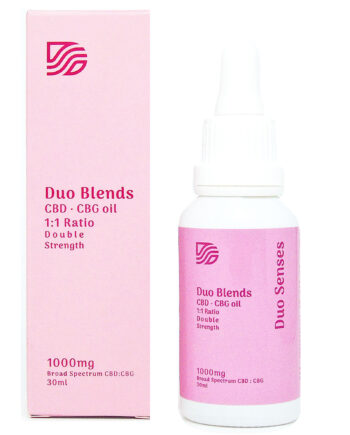
    Some companies are now offering tinctures that contain a 1:1 ratio of CBD to CBG, which may provide even greater benefits than tinctures that contain only CBD or only CBG. However, research on the effects of CBG is still in its early stages, and more studies are needed to fully understand its potential benefits.

    Overall, the type of CBD tincture that is best for you will depend on your individual needs and preferences. If you want to avoid THC entirely, a CBD isolate or broad spectrum tincture may be the best option. If you are looking for the potential benefits of multiple cannabinoids, a broad spectrum or full spectrum tincture may be a better choice. And if you want to experiment with the potential benefits of CBG, a CBD and CBG tincture may be worth exploring.

    Regardless of which type of tincture you choose, it is important to purchase products from reputable companies that use third-party testing to ensure the purity and potency of their products. This can help ensure that you are getting a high-quality product that is safe and effective.

    Conclusion

    In conclusion, while CBD isolate, broad spectrum, and full spectrum tinctures all contain CBD, they differ in the additional compounds they contain and the potential benefits they provide. By understanding the differences between these types of tinctures, you can make an informed decision about which product is right for you and your individual needs.

  • Broad Spectrum CBD Tincture Dosages: A Guide for Beginners

    Broad Spectrum CBD Tincture Dosages: A Guide for Beginners

    CBD, or cannabidiol, is a natural compound found in the cannabis plant. It has gained popularity in recent years for its potential health benefits, including pain relief, anxiety reduction, and improved sleep quality. One of the most popular forms of CBD is tinctures, which are typically taken under the tongue and absorbed into the bloodstream. In this article, we’ll take a closer look at broad spectrum CBD tinctures and provide a guide for beginners on dosages.

    What is Broad Spectrum CBD Tincture?

    Broad spectrum CBD tincture is a type of CBD product that contains all of the beneficial compounds found in the cannabis plant, except for THC. This means that users can experience the potential health benefits of CBD without experiencing the psychoactive effects of THC. Broad spectrum CBD tinctures are a great option for those who are looking to avoid THC, but still want to experience the entourage effect, which is the theory that all of the compounds in the cannabis plant work together to provide greater benefits than each individual compound alone.

    Dosage Guide for Beginners

    When it comes to dosing CBD tincture, there is no one-size-fits-all approach. Everyone’s body chemistry is different, and factors such as age, weight, and overall health can affect how much CBD a person should take. It’s always best to start with a low dose and gradually increase until you find the right dosage for your individual needs.

    For beginners, we recommend starting with a dose of 5-10mg of broad spectrum CBD tincture per day. This low dosage allows your body to adjust to the effects of CBD and can help you determine whether you need to increase your dosage. After a few days of taking the 5-10mg dose, you can gradually increase your dosage by 5mg at a time until you achieve the desired effects.

    It’s important to note that CBD tincture can take up to 30 minutes to take effect, and the effects can last for several hours. For this reason, it’s recommended to take CBD tincture at least 30 minutes before bedtime to help improve sleep quality.

    WeightRecommended CBD DoseProduct Recommendation
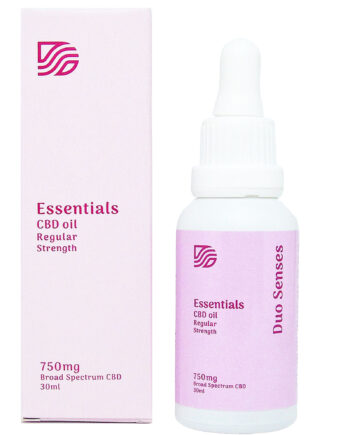
    100 lbs10-20mgRegular Strength 750mg Broad Spectrum CBD Oil
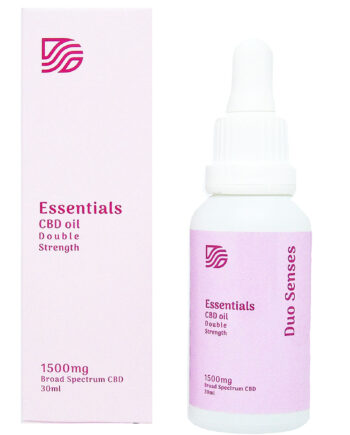
    150 lbs15-30mgDouble Strength 1500mg Broad Spectrum CBD Oil
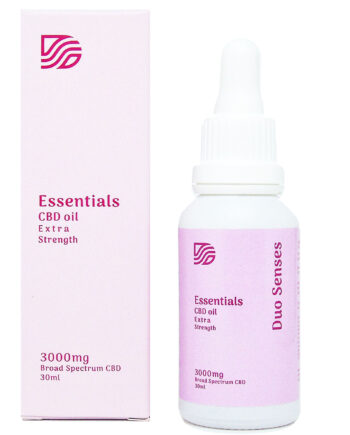
    200 lbs20-40mgExtra Strength 3000mg Broad Spectrum CBD Oil
    250 lbs25-50mgCBD+CBG Extra Strength 2000mg Broad Spectrum Oil

    Please note that this table is a general guide and should not be taken as medical advice.
    It’s always best to consult with a healthcare professional before starting any new supplement regimen.

    Factors That Affect Dosage

    As mentioned earlier, there are several factors that can affect how much CBD a person should take. Age, weight, and overall health are important considerations, but other factors such as the severity of the condition being treated and the method of ingestion can also play a role.

    For example, someone who is using broad spectrum CBD tincture to manage chronic pain may need a higher dosage than someone who is using it for anxiety relief. Similarly, someone who is taking CBD tincture sublingually (under the tongue) may need a lower dosage than someone who is ingesting it orally via capsule.

    Conclusion

    Broad spectrum CBD tincture can provide a range of potential health benefits, and dosing correctly is key to achieving these benefits. When starting out, it’s always best to start with a low dosage and gradually increase until you find the right dosage for your individual needs. Remember to take into consideration factors such as age, weight, and overall health, as well as the severity of the condition being treated and the method of ingestion. By following this guide, you can make the most out of your broad spectrum CBD tincture and experience its potential health benefits.

  • CBD Users Guide

    CBD Users Guide

    Project CBD has created a beginner’s guide for cannabidiol & cannabis therapeutics to address key questions of CBD users.


    In 2009, a handful of CBD-rich cannabis strains were discovered serendipitously in Northern California, America’s cannabis breadbasket, where certified patients could access medical marijuana legally. Thus began a great laboratory experiment in democracy involving CBD-rich cannabis therapeutics.

    The advent of whole plant CBD-rich oil as a grassroots therapeutic option has changed the national conversation about cannabis. It’s no longer a question of whether medical marijuana works—today the key question is how to use cannabis for maximum therapeutic benefit.

    But most health professionals have little experience in this area. So Project CBD has created a CBD User’s Manual for patients that addresses key questions about cannabidiol and cannabis therapeutics.

    WHAT IS CBD?

    Cannabidiol or CBD is a non-intoxicating component of the cannabis plant with enormous therapeutic potential. Although CBD doesn’t make people feel high like THC does, it’s causing quite a buzz among scientists, health professionals, and medical marijuana patients who are using CBD-rich products to treat a wide range of conditions—chronic pain, cancer, Crohn’s, diabetes, rheumatoid arthritis, PTSD, cardiovascular disease, anxiety, antibiotic-resistant infections, multiple sclerosis, schizophrenia, and more. Academic research centers in the United States and elsewhere are currently studying the effects of CBD on these and other ailments. Scientists refer to CBD as a “promiscuous” compound because it confers therapeutic benefits in many different ways while tapping into how we function physiologically and biologically on a deep level. Extensive preclinical research and some clinical studies have shown that CBDhas strong anti-oxidant, anti-inflammatory, anticonvulsant, anti-depressant, anti-psychotic, anti-tumoral, and neuroprotective qualities. Cannabidiol can change gene expression and remove beta amyloid plaque, the hallmark of Alzheimer’s, from brain cells.

    WHICH IS BETTER CBD OR THC?

    Cannabidiol and THC (The High Causer) are the power couple of cannabis therapeutics; they work best together. CBD and THC interact synergistically to potentiate each other’s curative qualities. CBD enhances THC’s painkilling and anticancer properties, while lessening THC’s psychoactivity. CBD can also mitigate adverse effects caused by too much THC, such as anxiety and rapid heartbeat. When both compounds are present in sufficient amounts in the same cannabis strain or product, CBD will lower the ceiling on the THC high while prolonging its duration. (“Relaxing but not intoxicating” is how one patient described CBD-rich cannabis.) CBD broadens the range of conditions treatable with cannabis, such as liver, cardiovascular and metabolic disorders, which may be less responsive to THC-dominant remedies. CBD and THC both stimulate neurogenesis, the creation of new brain cells, in adult mammals.R

    WHAT’S THE BEST WAY TO TAKE CBD?

    The most appropriate delivery system for CBD-rich cannabis is one that provides an optimal dose for a desired duration with few unwanted side effects. CBD-rich cannabis flower varietals for smoking or vaping are available in some medical marijuana dispensaries, but many CBD patients prefer non-inhalable products made with cannabis oil concentrates. Although banned by federal law, measurable doses of potent CBD-rich cannabis remedies are available in many non-smokable forms and can be utilized in various ways. The time of onset and duration of effect vary depending on the method of administration. CBD-rich cannabis oil products can be taken sublingually, orally (as edibles, lozenges, beverages, tinctures, and gel caps), or applied topically. Concentrated cannabis oil extracts can also be heated and inhaled with a vape pen. Inhalation is good for treating acute symptoms that require immediate attention; the effects can be felt within a minute or two and typically last for a couple of hours. The effects of orally administered CBD-rich cannabis oil can last for four hours or more, but the onset of effects is much slower (30-90 minutes) than inhalation.R

    WHAT IS THE RIGHT CBD:THC RATIO FOR ME?

    Cannabis therapeutics is personalized medicine. There is no single ratio or strain or product that’s right for everyone. Optimize your therapeutic use of cannabis by finding the proper combination of CBD and THCthat works best for you. A person’s sensitivity to THC is a key factor in determining the appropriate ratio and dosage of CBD-rich medicine. Many people enjoy the cannabis high and can consume reasonable amounts of any cannabis product without feeling too high or dysphoric. Others find THC to be unpleasant. CBD can lessen or neutralize the intoxicating effects of THC. So a greater ratio of CBD-to-THC means less of a high. In some states with medical marijuana laws, cannabis oil concentrates and other products with varying ratios of CBD:THC are available so users can adjust or minimize psychoactive effects to suit their needs and sensitivities. Those who don’t like THC have the option of healing without the high by using a CBD-rich remedy with only a small amount of THC. But a low THC remedy, while not intoxicating, is not always the most effective treatment option. Patients of all ages need access to a wide spectrum of whole plamnt cannabis remedies, not just high CBD oil. In essence, the goal is to administer consistent, measurable doses of a CBD-rich remedy that includes as much THC as a person is comfortable with.

    ARE SPECIFIC CBD:THC RATIOS BETTER FOR DIFFERENT CONDITIONS?

    Some patterns are beginning to emerge. For anxiety, depression, spasms, psychosis, and seizure disorders, many people report they do well starting with a small dose of a CBD-rich remedy with little THC. For cancer, autism, and many other diseases, some say they benefit more from a balanced ratio of CBD and THC. Extensive clinical trials conducted outside the United States have shown that a 1:1 CBD:THC ratio can be effective for neuropathic pain. Note: The CBD:THC ratio in not an indication of how much CBD or THC is present in a given cannabis product or strain. Some people use cannabis products with different CBD:THC ratios at different times of the day (more CBD for sunlight hours, more THC at night). Almost any cannabis strain or product theoretically could benefit a wide range of autoimmune and inflammatory disorders because THC and other cannabis components activate the CB2cannabinoid receptor, which regulates immune function.

    WHAT IS THE OPTIMAL DOSAGE OF CBD?

    An effective dosage can range from as little as a few milligrams of CBD-enriched cannabis oil to a gram or more. Begin with a small dose of high CBD/low THC oil, especially if you have little or no experience with cannabis. Take a few small doses over the course of the day rather than one big dose. Use the same dose and ratio for several days. Observe the effects and if necessary adjust the ratio or amount. Don’t overdo it. Cannabis compounds have biphasic properties, which means that low and high doses of the same substance can produce opposite effects. Small doses of cannabis tend to stimulate; large doses sedate. Too much THC, while not lethal, can amplify anxiety and mood disorders. CBD has no known adverse side effects, but an excessive amount of CBD could be less effective therapeutically than a moderate dose. “Less is more” is often the case with respect to cannabis therapy.Related storyCBD & Cannabis Dosage Guide

    WHAT SHOULD ONE LOOK FOR WHEN CHOOSING A CBD-RICH PRODUCT?

    Look for products with clear labels showing the quantity and ratio of CBD and THC per dose, a manufacturing date, and a batch number (for quality control). Select products with quality ingredients: No corn syrup, transfats, GMOs, artificial additives, thinning agents or preservatives. CBD-rich products should be lab tested for consistency and verified as being free of mold, bacteria, pesticides, solvent residues, and other contaminants. Best to avoid products extracted with toxic solvents like BHO, propane, hexane or other hydrocarbons. Opt for products that utilize safer extraction methods such as supercritical CO2 or food-grade ethanol.

    IF CBD IS SO GOOD, WON’T PURE CBD BE EVEN BETTER?

    Epidiolex, a CBD isolate, is a federally approved pharmaceutical for intractable pediatic seizure disorders. Unregulated, hemp-derived products infused with a crystalline CBD isolate are also available through  internet storefronts and varioius retail outlets. But single-molecule CBD is less effective therapeutically than whole plant CBD-rich oil extract. Scientific studies have established that synthetic, single-molecule CBD has a very narrow therapeutic window and requires precise, high doses for efficacy, whereas lower dose, whole-plant, CBD-rich treatment regimens are already showing efficacy for many conditions among patients in medical marijuana states. Whether synthesized in a Big Pharma lab or derived from industrial hemp, single-molecule CBD lacks critical secondary cannabinoids and other medicinal compounds found in high-resin cannabis strains. These compounds interact with CBD and THC to enhance their therapeutic benefits. Scientists call this the “entourage effect.” Numerous cannabis compounds have medicinal attributes, but the therapeutic impact of whole plant cannabis is greater than the sum of its parts.

    IS THERE A DIFFERENCE BETWEEN CBD DERIVED FROM HEMP AND CBD DERIVED FROM MARIJUANA?

    If you live in a state where medical marijuana is legal and available, look for CBD products made from high-resin cannabis (rather than low resin industrial hemp) that are sold in state-licensed dispensaries. Unregulated hemp-derived CBD-infused products of varying quality are also available via dozens of internet storefronts and retail locations. Many of these products are mislabeled. Compared to whole plant CBD-rich cannabis, industrial hemp grown for fiber or seed is typically low in cannabinoid content. A huge amount of fiber hemp is required to extract a small amount of CBD, thereby raising the risk of contaminants because hemp, a bioaccumulator, draws toxins from the soil. That’s a great feature for restoring a poisoned ecosystem, but it’s not recommended for extracting medicinal oil. Heavily refined CBDpaste or terpene-free CBD isolate crystal is poor starter material for formulating CBD-rich oil products. The debate over sourcing CBD from cannabis rather than hemp is becoming moot as plant breeders succeed in developing high-resin CBD-rich cannabis varietals with lass than 0.3% THC, the arbitrarily designated legal limit for hemp.

    IS IT SAFE TO INHALE HEMP CBD OIL FUMES FROM A VAPE PEN?

    Many cannabis- and hemp-derived CBD vape oil products include a thinning agent, which dilutes the oil that is heated and inhaled by vape pen users.

    Beware of vape pen oil that contains propylene glycol. When overheated, this chemical additive produces formaldehyde, a carcinogen, as a byproduct, according to a 2015 report in the New England Journal of Medicine. Other additives to avoid: polyethylene glycol (another thinning agent) and, in general, flavoring agents, especially cream and cinnamon flavors as these are very toxic and should never be heated and inhaled. Look for cartridges that contain only natural, cannabis-derived terpenes. That means that the flavor of your vape cartridge came directly from the cannabis flower from which it was extracted.

    DOES CBD HAVE ANY ADVERSE SIDE EFFECTS? WHAT ABOUT DRUG INTERACTIONS?

    CBD is a very safe substance, but it can interact with many common pharmaceuticals. At sufficient dosages, CBD will deactivate cytochrome P450 enzymes, thereby altering how we metabolize painkillers, statins, blood thinners, insulin & more. CBD-drug interactions can be dangerous, but they can also help mitigate side effects while synergistically improving a patient’s quality of life. Cannabinoid-opioid interactions show great therapeutic potential. THC enhances the painkilling effects of opiates, while CBD can reduce withdrawal and dependence. Patients taking Big Pharma meds should monitor changes in blood levels and, if need be, adjust dosage. Problematic interactions are more likely when consuming high doses of CBDisolate products.