Blog

  • What is CBG?

    What is CBG?

    CBG? Is that a typo?

    Cannabigerol (CBG) is a cannabinoid that also had no psychoactive effects, but many positives for your general well-being. If you’re reading this, you’ve surely heard of the many medicinal effects of the cannabis plant, and you’ve certainly heard of THC and CBD. They’re all linked to anxiety relief, pain relief, and much much more.

    There are over 100 different cannabinoid compunds found within the plant. The most popular is THC (tetrahydrocannabidiol), that’s the one with psychoactive effects of a high. CBD (cannabidiol) on the other hand, will not get you high, but produces many of the health benefits.

    THC and CBD are the most commonly bred compounds in the plant. Interestingly enough, CBG starts out as both, let me explain.

    Cannabis plants produce CBGA (cannabigerolic acid). With the help of specific enzymes, CBGA is transformed in THC, CBD and CBG.

    Most of the CBGA is converted to THC and CBD, but a small percentage changes to CBG.

    So what’s CBG going to do for me?

    That’s a fair question, and we’re just scratching the surface of the many cannabinoid benefits. Thanks to recent legislation in the U.S. and Canada, scientists are now able to thoroughly examine the benefits of these mysterious compounds. Even though CBG has been overlooked in the past because of its low concentration, the latest research shows it has the potential to help with multiple health conditions.

    1. Inflammatory Bowel Disease (IBD)

    A study published in 2013 by the University of Naples shows that thanks to its anti-inflammatory properties, CBG can help with IBD. The study found that cannabigerol significantly reduced the inflammatory markers in mice with IBD and relieved colitis.

    Based on the successful results, the researchers suggest that CBG could be used in human clinical trials as a treatment for IBD. If the anti-inflammatory effects of CBG can be proved in human trial, it’s likely going to be useful for a multitude of treatments and conditions caused by inflammation.

    2. Antimicrobial Effect

    Big deal, a rare compound can kill germs. Why is this important? As you may be aware, humanity is facing an increasing threat from antibiotic-resistant bacteria. There are superbugs that are resistant to our current drugs that affect millions of people aroundf the world.

    3. Bladder Dysfunctions

    People on different online mediums claimed that cannabis infusions help with bladder dysfunctions. In 2015, a team of Italian scientists developed a study to put these claims to the test.

    The scientists found that CBG reduces the contractions in the human bladder, so it can help with bladder problems.

    4. Increased Appetite

    Everybody knows that smoking cannabis gives you the munchies. According to a 2016 study published by the University of Reading, CBG is the cannabinoid responsible for your appetite boost. There are millions affected by appetite loss and isolated CBG may be helpful in treating mood disorders related to eating disorders. Pretty cool.

    5. Brain Protection

    According to a 2015 study, CBG acts as an antioxidant in the brain, meaning it can protect the nervous system from damage. The study shows that cannabigerol is an extremely active neuroprotective drug in mice. The cannabinoid improved motor deficits and protected the neurons against toxicity.

    And it gets better, the study also shows that CBG administration leads to a modest improvement of certain gene expressions that might help with Huntington Disease.

    6. Another ally in the fight against cancer

    Because of its antioxidant and anti-inflammatory abilities, CBG supports your body’s ability to battle cancer. A study presented in 2014 found that CBG might be able to inhibit the growth of cancerous cells. The administration of cannabigerol hampered the progression of colon cancer in mice.

    Ontop of that, CBG could also have anti-tumoral properties, which means that CBG could be used to both battle and prevent cancer. This is huge.

    7. Treating Galucoma

    It’s been widely known that cannabis is highly effective at treating glaucoma. According to a study, CBG improves the eye’s fluid drainage, reducing the intraocular pressure.

    You know those red eye people have after smoking cannabis? This is because the canabanoids act as a vasodilator in the eye, increasing the eye’s blood circulations. Because of this, more blood reaches the eye which is helpful in many eye-related issues.

    Is CBG legal and where can I buy it?

    Cannabigerol is non-psychoactive so it does not produce a high. Also, CBG can be extracted from hemp stalks, further increasing it’s ease of access. Unfortunately CBG is still very difficult to find in Canada without a prescription. Our shop will carry CBG when it becomes available.

    Last Word

    Even though CBG hasn’t hit the spotlight, it doesn’t mean its any less valuable than CBD and THC. The research is still young and there is much to learn from the hundred or so compounds.

    We’ll keep you updated to the availability and impacts it has on thhis writer. Thank you for reading.

  • Toronto Rugby team announce Howl CBD creams.

    Toronto Rugby team announce Howl CBD creams.

    CBD infused topicals are quickly becoming hot commodity for their ability to ease aches and pains of athletes.

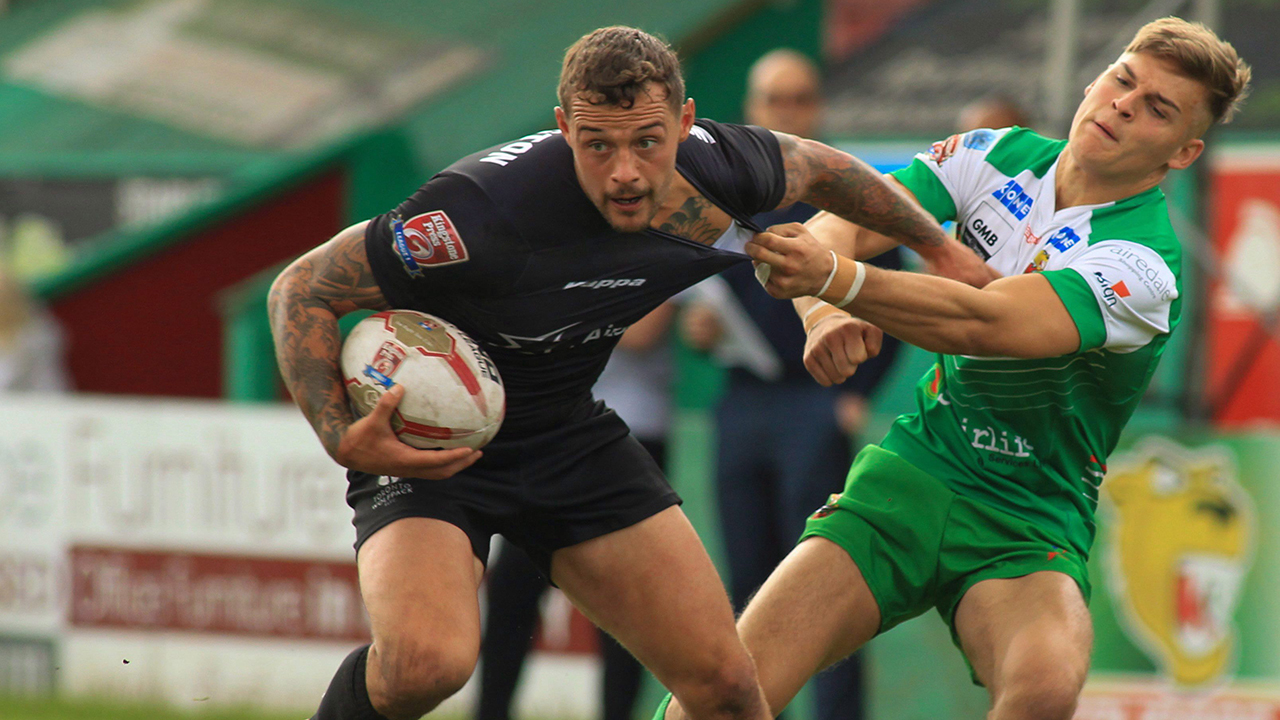
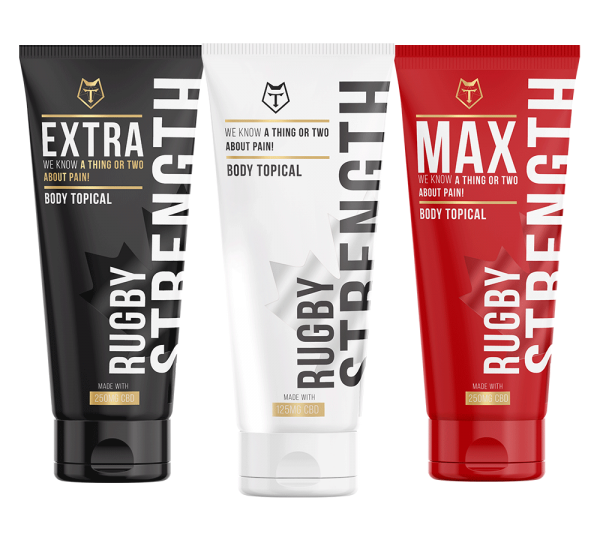
    The Toronto Wolfpack has announced it’s releasing a line of CBD infused creams. They believe it’s a first among Canadian pro sports teams.

    The team plays in England’s Rugby Football League, and after watching some footage, this writer is impressed at the quality of my local team.

    The new product is branded under Howl, a subsidiary of the Wolfpack, aptly named Rugby Strength. The creams won’t have any detectable THC so you can’t get high. This is strictly for anti-inflammatory purposes.

    Although the product is marketed by a sports team, the owner David Argyle says the creams can help more than just rugby players. “In rugby, we know a thing or two about pain,” he says. “If it works for us, it could work for you.”

    The product is expected to launch in the U.K. and the U.S. this summer. In Canada, cannabis-infused topical creams have not yet been legalized, but the federal government has promised that related regulations will be in place by mid-October. Once this is the case, Argyle says the Canadian launch of the product will soon follow.


    We only sell lab certified CBD.


  • Retailers struggle to keep CBD on shelves in Canada.

    Retailers struggle to keep CBD on shelves in Canada.

    ‘I don’t think the licensed producers really realized how popular CBD was,’ says one business owner

    The Canadian Press · Posted: May 06, 2019 9:14 AM PT | Last Updated: May 6

    Retailers across Canada are struggling with a shortage of all cannabis, but there’s one product they’re especially desperate to keep on shelves: cannabidiol or CBD, a non-intoxicating extract vaunted for its purported health benefits.

    The extract, most commonly sold as oil, has been promoted as a natural cure for pain, anxiety and insomnia, despite limited medical research. Many customers are coming in asking for it, especially first-time and older users, store owners say.

    “I don’t think the licensed producers really realized how popular CBD was, so there’s none available, really,” said Krystian Wetulani, founder of City Cannabis Co. in Vancouver.

    “When something becomes available on the cannabis wholesale ordering sheet, everybody tries to get all that’s available. It’s like a race. That’s one of the biggest opportunities we’re facing in the legalized market.”

    Companies are ramping up hemp growth to produce the trendy extract, but observers expect the shortage to persist until late this year. Meanwhile, scientists are working to separate the hype from reality when it comes to medical claims about the drug.

    While licensed producers were preparing for legalization last year, they assumed most of the demand was going to be for cannabis high in THC, the intoxicating ingredient, said Khurram Malik, CEO of Biome Grow.

    The buzz around CBD grew with the passage last year of a U.S. law known as the farm bill, which allows for the growing of hemp for the purposes of extracting cannabidiol, he said. Similar regulations came into effect in Canada in October.

    But it was the U.S. law that drove up media coverage and social-media influencer chatter, Malik said. Kim Kardashian West recently posted on Instagram about her “CBD baby shower,” where she invited guests to make cannabidiol-infused salt scrubs and body oil.

    “Because of the farm bill passing, the sexiness or the in-vogue profile of CBD went through the roof,” said Malik. “The demand side just blew up and caught everyone by surprise, on both sides of the border.”

    Extracting CBD from hemp, which is low-THC and high-CBD, is more affordable because the crop can be grown outdoors on a large scale under Canadian rules that are less restrictive than those for producing high-THC marijuana, Malik said.

    Biome Grow has partnered with CBD Acres, which Malik said will supply his company with up to 20,000 kilograms of cannabidiol concentrate annually in order to serve Canadian and international markets.

    The CBD shortage affects jurisdictions across Canada, said provincial distributors in British Columbia, Nova Scotia, and Newfoundland and Labrador.

    “There has been a significant learning curve for licensed producers as they transition into supplying a new market,” said B.C.’s Liquor Distribution Branch in a statement. “Licensed producers are working towards becoming more efficient, however many of their expansion projects have not yet been fully ramped up.”

    ‘It has been a challenge’

    The branch added it expects supply to increase in the second half of 2019 as expansions come online and more producers receive licences to enter the marketplace.

    Beverley Ware, a spokesperson for the Nova Scotia Liquor Corp., said while it has “CBD-leaning” products, it has not been able to consistently carry pure CBD oil due to the national shortage.

    Customers looking for CBD products would prefer not to smoke them and don’t want the added THC, said Darrell Smith, spokesperson for the Newfoundland and Labrador Liquor Corp.

    “It has been a challenge to source a steady supply of these products as they are often reserved for the medical cannabis community,” he said.

    Research into health benefits limited

    Despite the hype, research into the health benefits of cannabidiol has been fairly limited, said Dr. Gabriella Gobbi, a psychiatrist at McGill University who has studied the drug.

    Gobbi’s team published a study in the journal Pain last October that pinpointed the effective dose of CBD for safe relief of pain and anxiety. The U.S. Food and Drug Administration has also approved a CBD drug to treat children with severe epilepsy.

    But more research is still needed, particularly on CBD’s effects on anxiety and insomnia, Gobbi said.

    Some patients who try it experience no effects and studies have also indicated a placebo effect in some people with anxiety, depression and pain, she added.

    “Today there is a dominant culture of cannabis, a dominant culture of everything that is natural is good. This is why … cannabidiol is so popular.”

  • Dose-measuring Vaporizer with Cartridges and App

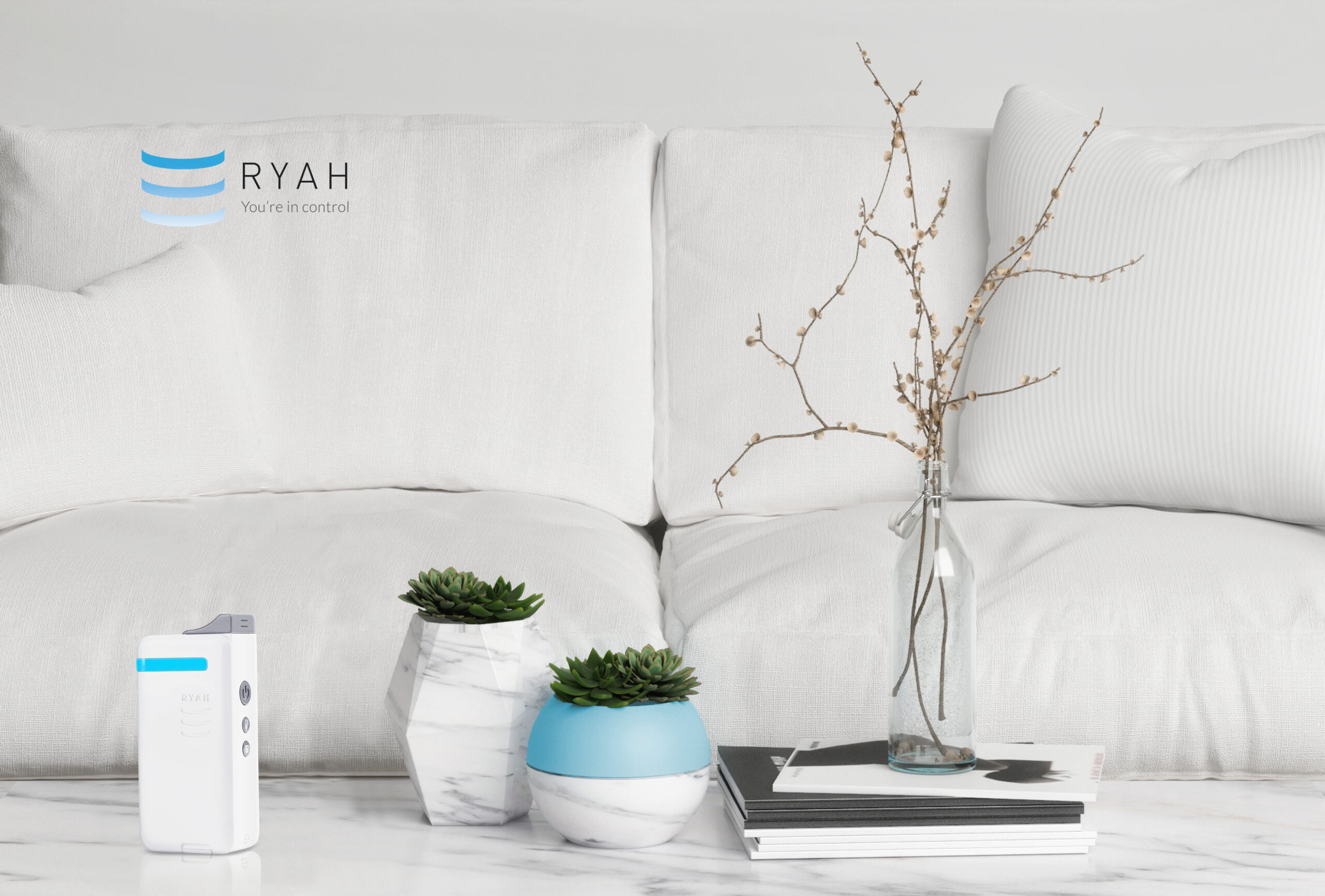
    Dose-measuring Vaporizer with Cartridges and App

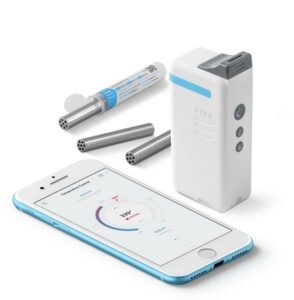
    NEW YORK, April 25, 2019 (GLOBE NEWSWIRE) — Ryah Medtech Inc. (“RYAH” or the “Company”) announced today that it has filed a Medical Device Establishment License application with Health Canada for its commercial grade cannabinoid cartridges. These cartridges are used with RYAH’s ground-breaking dose-measuring medicinal vaporizer for CBD and other cannabinoids or dry herbs.

    RYAH is a data aggregation and technology company focused on the global medical cannabis market. Its robust artificial intelligence platform aggregates and correlates HIPAA-compliant medical data which is intended to help doctors and patients personalize cannabis to better predict treatment outcomes. With a strong IP portfolio, RYAH is able to gather insightful data on cannabis from seed to consumption.

    RYAH Dose-measuring Vaporizer with Cartridges and App

    “This is an exciting milestone in our company’s history,” said Gregory Wagner, President and CEO of RYAH. “The Health Canada initiative will distinguish us from the competitors in the medical cannabis market since there are very few accredited medical vaporizer/cartridge solutions in Canada.”

    The RYAH vaporizer is a precision device that is able to capture the amount of vapor a patient inhales. By providing users with unprecedented temperature and dose control, RYAH creates a consistent and reliable vaporizing experience. RYAH uses high-tech disposable medicinal cartridges that have embedded QR codes in order to identify the cartridge’s contents. Coupled with the RYAH application, the RYAH system provides users with the ability to track which cartridges work best for their specific needs and collects data for growers, pharmacies, laboratories and pharma companies. The data is integrated into our big data AI platform, identifying correlations between cannabinoids and medical indications.

    “The market is saturated with recreational vaporizer options; however, current products lack the sophistication to create a personalized, accurate dosing and feedback experience,” concluded Mr. Wagner, who reiterated that the state-of-the-art RYAH apparatus comes accompanied with a mobile app that puts the patient or medical practitioner in total control and enables them to collect information to track usage and results.

    Several distribution agreements have already been struck with pharma companies in the United States and Canada, and RYAH is targeting entering into similar agreements in Europe and the Asia-Pacific region in due course.

    Forward-Looking Statements

    Certain statements contained in this press release constitute “forward-looking information” as such term is defined in applicable Canadian securities legislation. The words “may”, “would”, “could”, “should”, “potential”, “will”, “seek”, “intend”, “plan”, “anticipate”, “believe”, “estimate”, “expect” and similar expressions as they relate to the Company, including: successfully being awarded a Health Canada accreditation; a Health Canada accreditation opening up markets to RYAH; Health Canada accreditation legitimizing the consumption of cannabis with RYAH; execution of additional distribution agreements; and the results users may receive from using RYAH; are intended to identify forward-looking information. All statements other than statements of historical fact may be forward-looking information. Such statements reflect the Company’s current views and intentions with respect to future events, and current information available to the Company, and are subject to certain risks, uncertainties and assumptions. Many factors could cause the actual results, performance or achievements that may be expressed or implied by such forward-looking information to vary from those described herein should one or more of these risks or uncertainties materialize. These factors include, without limitation: the general business and economic conditions in the regions in which the Company operates; the ability of the Company to execute on key priorities, including the successful completion of acquisitions, business retention, and strategic plans and to attract, develop and retain key executives; difficulty integrating newly acquired businesses; the ability to implement business strategies and pursue business opportunities; disruptions in or attacks (including cyber-attacks) on the Company’s information technology, internet, network access or other voice or data communications systems or services; the evolution of various types of fraud or other criminal behavior to which the Company is exposed; the failure of third parties to comply with their obligations to the Company or its affiliates; the impact of new and changes to, or application of, current laws and regulations; a novel business model; granting of permits and licenses in a highly regulated business; the overall difficult litigation environment, including in the United States; increased competition; changes in foreign currency rates; increased funding costs and market volatility due to market illiquidity and competition for funding; the availability of funds and resources to pursue operations; critical accounting estimates and changes to accounting standards, policies, and methods used by the Company; the occurrence of natural and unnatural catastrophic events and claims resulting from such events; and the risk associated with a business in the cannabis industry. Should any factor affect the Company in an unexpected manner, or should assumptions underlying the forward-looking information prove incorrect, the actual results or events may differ materially from the results or events predicted. Any such forward-looking information is expressly qualified in its entirety by this cautionary statement. Moreover, the Company does not assume responsibility for the accuracy or completeness of such forward-looking information. The forward-looking information included in this press release is made as of the date of this press release and the Company undertakes no obligation to publicly update or revise any forward-looking information, other than as required by applicable law.

    For further information, please contact:

    Stephen Hart 
    Investor Relations
    917-658-7878
    invest@ryah.com

  • Was Phil Mickelson using a CBD tincture during The Masters?

    Was Phil Mickelson using a CBD tincture during The Masters?

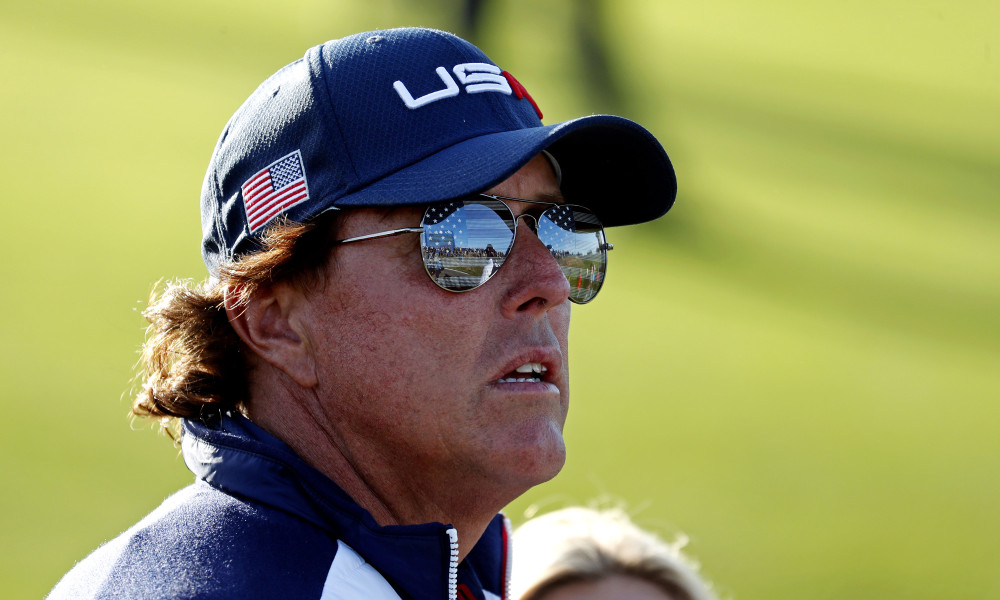
    The Masters is the most prestigious professional golfing tournament on our green earth. That’s why onlookers were shocked as the legendary Phil Mickelson was filmed looking over his shoulder, and consuming what many are assuming is CBD.

    It was the second round and Mickelson was seen opening and putting an eye dropper in his mouth before quickly sealing the bottle and putting it back into his bag.

    Golf fans know that Phil has been around the professional golf circuit for a very long time. Many are aware that he suffers from psoriatic arthritis. He’s even done television ads for arthritis medication. CBD oil from hemp has been shown to help with some forms of arthritis, so the plausibility doesn’t seem so far fetched.

    Watch the video below, what do you think?

  • Types of CBD Products

    Types of CBD Products

    We recommend you do your own research before deciding which type & concentration to buy

    cbd oil tinctures

    Tinctures

    Tinctures are taken by dropping a couple drops on your tongue. Tinctures are typically offer a lot stronger concentration of CBD than any other CBD products. Concentration can range from 100mg-1000mg.

    Usage Advice: A tincture is known to be most effective by not swallowing the liquid right away. You want to ingest as much as you can sub-bilingually. Place the drops under your tongue and along the cheeks for as long as you can.

    hemp-concentrate-sample

    Concentrates

    CBD concentrates typically contain the strongest dosage of CBD compared to any other CBD products. It can contain up to 10 times the average CBD products. Concentrates are also convenient in that it only takes a few seconds to consume. Overall, CBD concentrates seem to be most popular among customers who are extremely busy, yet seek high potency CBD.

    Usage Advice: Hemp concentrates come in dispensable oral applicators. Press suggested serving size onto the tip of your finger or a spoon and place under the tongue. Place the drops under your tongue for some time before you swallow.

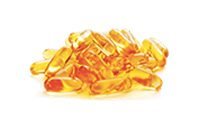
    cbd-capsules

    Capsules

    CBD capsules are a great way to add CBD to your diet as a daily supplement. It is much easier to take than tinctures. Capsules typically offer ~25mg of CBD.

    Usage Advice: Capsules are great as it’s the easiest to take in your daily regimen. Just take recommending serving (or as needed) daily with water.

    Topicals

    More brands have started to add CBD onto topicals, such as lotions, salve, and lip balms, for its skin benefits. CBD topicals are known to help with chronic pain, inflammation, acne, psoriasis, cancer treatment, anti-aging, and so many more.

    For topical products, always look for keyword on the product labels that indicate that the product uses nano technology, encapsulation, or micellization of CBD. This shows that their solution can carry CBD through the dermal layers, rather than just staying on the skin.

    Usage Advice: CBD infused topicals are recommended to be used as other similar body care products – use it when you deem necessary or when you have certain skin conditions.

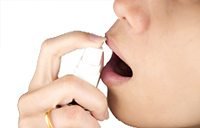
    Sprays

    CBD sprays are typically the weakest in concentration among the different type of CBD products. You spray one serving (or as needed) of the bottle into your mouth. Typical concentration of CBD sprays ranges from 1-3mg.

    Usage Advice: Spray one serving of the bottle into your mouth. Serving size should be labeled on the bottle (typically 2-3 sprays). Use daily or as needed.

    Vape Juices

    Based on reviews, smoking or vaporizing CBD vape oil seems to have less effects when compared to other methods of administering CBD, such as tinctures, capsules and sprays. On the flip side, others argue that smoking or vaporizing has less drawbacks than taking CBD orally, since ingesting CBD orally could result in inconsistent absorption and a delayed effect.

    Usage Advice: In order to use CBD vape oil, you will need an e-cigarette, vape pen, or vaporizer. Add, heat and inhale the appropriate amount of vape oil to your choice of device.

  • CBD Users Guide

    CBD Users Guide

    Project CBD has created a beginner’s guide for cannabidiol & cannabis therapeutics to address key questions of CBD users.


    In 2009, a handful of CBD-rich cannabis strains were discovered serendipitously in Northern California, America’s cannabis breadbasket, where certified patients could access medical marijuana legally. Thus began a great laboratory experiment in democracy involving CBD-rich cannabis therapeutics.

    The advent of whole plant CBD-rich oil as a grassroots therapeutic option has changed the national conversation about cannabis. It’s no longer a question of whether medical marijuana works—today the key question is how to use cannabis for maximum therapeutic benefit.

    But most health professionals have little experience in this area. So Project CBD has created a CBD User’s Manual for patients that addresses key questions about cannabidiol and cannabis therapeutics.

    WHAT IS CBD?

    Cannabidiol or CBD is a non-intoxicating component of the cannabis plant with enormous therapeutic potential. Although CBD doesn’t make people feel high like THC does, it’s causing quite a buzz among scientists, health professionals, and medical marijuana patients who are using CBD-rich products to treat a wide range of conditions—chronic pain, cancer, Crohn’s, diabetes, rheumatoid arthritis, PTSD, cardiovascular disease, anxiety, antibiotic-resistant infections, multiple sclerosis, schizophrenia, and more. Academic research centers in the United States and elsewhere are currently studying the effects of CBD on these and other ailments. Scientists refer to CBD as a “promiscuous” compound because it confers therapeutic benefits in many different ways while tapping into how we function physiologically and biologically on a deep level. Extensive preclinical research and some clinical studies have shown that CBDhas strong anti-oxidant, anti-inflammatory, anticonvulsant, anti-depressant, anti-psychotic, anti-tumoral, and neuroprotective qualities. Cannabidiol can change gene expression and remove beta amyloid plaque, the hallmark of Alzheimer’s, from brain cells.

    WHICH IS BETTER CBD OR THC?

    Cannabidiol and THC (The High Causer) are the power couple of cannabis therapeutics; they work best together. CBD and THC interact synergistically to potentiate each other’s curative qualities. CBD enhances THC’s painkilling and anticancer properties, while lessening THC’s psychoactivity. CBD can also mitigate adverse effects caused by too much THC, such as anxiety and rapid heartbeat. When both compounds are present in sufficient amounts in the same cannabis strain or product, CBD will lower the ceiling on the THC high while prolonging its duration. (“Relaxing but not intoxicating” is how one patient described CBD-rich cannabis.) CBD broadens the range of conditions treatable with cannabis, such as liver, cardiovascular and metabolic disorders, which may be less responsive to THC-dominant remedies. CBD and THC both stimulate neurogenesis, the creation of new brain cells, in adult mammals.R

    WHAT’S THE BEST WAY TO TAKE CBD?

    The most appropriate delivery system for CBD-rich cannabis is one that provides an optimal dose for a desired duration with few unwanted side effects. CBD-rich cannabis flower varietals for smoking or vaping are available in some medical marijuana dispensaries, but many CBD patients prefer non-inhalable products made with cannabis oil concentrates. Although banned by federal law, measurable doses of potent CBD-rich cannabis remedies are available in many non-smokable forms and can be utilized in various ways. The time of onset and duration of effect vary depending on the method of administration. CBD-rich cannabis oil products can be taken sublingually, orally (as edibles, lozenges, beverages, tinctures, and gel caps), or applied topically. Concentrated cannabis oil extracts can also be heated and inhaled with a vape pen. Inhalation is good for treating acute symptoms that require immediate attention; the effects can be felt within a minute or two and typically last for a couple of hours. The effects of orally administered CBD-rich cannabis oil can last for four hours or more, but the onset of effects is much slower (30-90 minutes) than inhalation.R

    WHAT IS THE RIGHT CBD:THC RATIO FOR ME?

    Cannabis therapeutics is personalized medicine. There is no single ratio or strain or product that’s right for everyone. Optimize your therapeutic use of cannabis by finding the proper combination of CBD and THCthat works best for you. A person’s sensitivity to THC is a key factor in determining the appropriate ratio and dosage of CBD-rich medicine. Many people enjoy the cannabis high and can consume reasonable amounts of any cannabis product without feeling too high or dysphoric. Others find THC to be unpleasant. CBD can lessen or neutralize the intoxicating effects of THC. So a greater ratio of CBD-to-THC means less of a high. In some states with medical marijuana laws, cannabis oil concentrates and other products with varying ratios of CBD:THC are available so users can adjust or minimize psychoactive effects to suit their needs and sensitivities. Those who don’t like THC have the option of healing without the high by using a CBD-rich remedy with only a small amount of THC. But a low THC remedy, while not intoxicating, is not always the most effective treatment option. Patients of all ages need access to a wide spectrum of whole plamnt cannabis remedies, not just high CBD oil. In essence, the goal is to administer consistent, measurable doses of a CBD-rich remedy that includes as much THC as a person is comfortable with.

    ARE SPECIFIC CBD:THC RATIOS BETTER FOR DIFFERENT CONDITIONS?

    Some patterns are beginning to emerge. For anxiety, depression, spasms, psychosis, and seizure disorders, many people report they do well starting with a small dose of a CBD-rich remedy with little THC. For cancer, autism, and many other diseases, some say they benefit more from a balanced ratio of CBD and THC. Extensive clinical trials conducted outside the United States have shown that a 1:1 CBD:THC ratio can be effective for neuropathic pain. Note: The CBD:THC ratio in not an indication of how much CBD or THC is present in a given cannabis product or strain. Some people use cannabis products with different CBD:THC ratios at different times of the day (more CBD for sunlight hours, more THC at night). Almost any cannabis strain or product theoretically could benefit a wide range of autoimmune and inflammatory disorders because THC and other cannabis components activate the CB2cannabinoid receptor, which regulates immune function.

    WHAT IS THE OPTIMAL DOSAGE OF CBD?

    An effective dosage can range from as little as a few milligrams of CBD-enriched cannabis oil to a gram or more. Begin with a small dose of high CBD/low THC oil, especially if you have little or no experience with cannabis. Take a few small doses over the course of the day rather than one big dose. Use the same dose and ratio for several days. Observe the effects and if necessary adjust the ratio or amount. Don’t overdo it. Cannabis compounds have biphasic properties, which means that low and high doses of the same substance can produce opposite effects. Small doses of cannabis tend to stimulate; large doses sedate. Too much THC, while not lethal, can amplify anxiety and mood disorders. CBD has no known adverse side effects, but an excessive amount of CBD could be less effective therapeutically than a moderate dose. “Less is more” is often the case with respect to cannabis therapy.Related storyCBD & Cannabis Dosage Guide

    WHAT SHOULD ONE LOOK FOR WHEN CHOOSING A CBD-RICH PRODUCT?

    Look for products with clear labels showing the quantity and ratio of CBD and THC per dose, a manufacturing date, and a batch number (for quality control). Select products with quality ingredients: No corn syrup, transfats, GMOs, artificial additives, thinning agents or preservatives. CBD-rich products should be lab tested for consistency and verified as being free of mold, bacteria, pesticides, solvent residues, and other contaminants. Best to avoid products extracted with toxic solvents like BHO, propane, hexane or other hydrocarbons. Opt for products that utilize safer extraction methods such as supercritical CO2 or food-grade ethanol.

    IF CBD IS SO GOOD, WON’T PURE CBD BE EVEN BETTER?

    Epidiolex, a CBD isolate, is a federally approved pharmaceutical for intractable pediatic seizure disorders. Unregulated, hemp-derived products infused with a crystalline CBD isolate are also available through  internet storefronts and varioius retail outlets. But single-molecule CBD is less effective therapeutically than whole plant CBD-rich oil extract. Scientific studies have established that synthetic, single-molecule CBD has a very narrow therapeutic window and requires precise, high doses for efficacy, whereas lower dose, whole-plant, CBD-rich treatment regimens are already showing efficacy for many conditions among patients in medical marijuana states. Whether synthesized in a Big Pharma lab or derived from industrial hemp, single-molecule CBD lacks critical secondary cannabinoids and other medicinal compounds found in high-resin cannabis strains. These compounds interact with CBD and THC to enhance their therapeutic benefits. Scientists call this the “entourage effect.” Numerous cannabis compounds have medicinal attributes, but the therapeutic impact of whole plant cannabis is greater than the sum of its parts.

    IS THERE A DIFFERENCE BETWEEN CBD DERIVED FROM HEMP AND CBD DERIVED FROM MARIJUANA?

    If you live in a state where medical marijuana is legal and available, look for CBD products made from high-resin cannabis (rather than low resin industrial hemp) that are sold in state-licensed dispensaries. Unregulated hemp-derived CBD-infused products of varying quality are also available via dozens of internet storefronts and retail locations. Many of these products are mislabeled. Compared to whole plant CBD-rich cannabis, industrial hemp grown for fiber or seed is typically low in cannabinoid content. A huge amount of fiber hemp is required to extract a small amount of CBD, thereby raising the risk of contaminants because hemp, a bioaccumulator, draws toxins from the soil. That’s a great feature for restoring a poisoned ecosystem, but it’s not recommended for extracting medicinal oil. Heavily refined CBDpaste or terpene-free CBD isolate crystal is poor starter material for formulating CBD-rich oil products. The debate over sourcing CBD from cannabis rather than hemp is becoming moot as plant breeders succeed in developing high-resin CBD-rich cannabis varietals with lass than 0.3% THC, the arbitrarily designated legal limit for hemp.

    IS IT SAFE TO INHALE HEMP CBD OIL FUMES FROM A VAPE PEN?

    Many cannabis- and hemp-derived CBD vape oil products include a thinning agent, which dilutes the oil that is heated and inhaled by vape pen users.

    Beware of vape pen oil that contains propylene glycol. When overheated, this chemical additive produces formaldehyde, a carcinogen, as a byproduct, according to a 2015 report in the New England Journal of Medicine. Other additives to avoid: polyethylene glycol (another thinning agent) and, in general, flavoring agents, especially cream and cinnamon flavors as these are very toxic and should never be heated and inhaled. Look for cartridges that contain only natural, cannabis-derived terpenes. That means that the flavor of your vape cartridge came directly from the cannabis flower from which it was extracted.

    DOES CBD HAVE ANY ADVERSE SIDE EFFECTS? WHAT ABOUT DRUG INTERACTIONS?

    CBD is a very safe substance, but it can interact with many common pharmaceuticals. At sufficient dosages, CBD will deactivate cytochrome P450 enzymes, thereby altering how we metabolize painkillers, statins, blood thinners, insulin & more. CBD-drug interactions can be dangerous, but they can also help mitigate side effects while synergistically improving a patient’s quality of life. Cannabinoid-opioid interactions show great therapeutic potential. THC enhances the painkilling effects of opiates, while CBD can reduce withdrawal and dependence. Patients taking Big Pharma meds should monitor changes in blood levels and, if need be, adjust dosage. Problematic interactions are more likely when consuming high doses of CBDisolate products.